We live in a linear economic system: raw materials are extracted, products are manufactured, sold, and eventually discarded. This project aims to challenge the conventional system by adopting a circular approach – designing products that can re-enter the loop and remain in use for as long as possible.
EMILIE KARASKOVA
1 / 3
RON
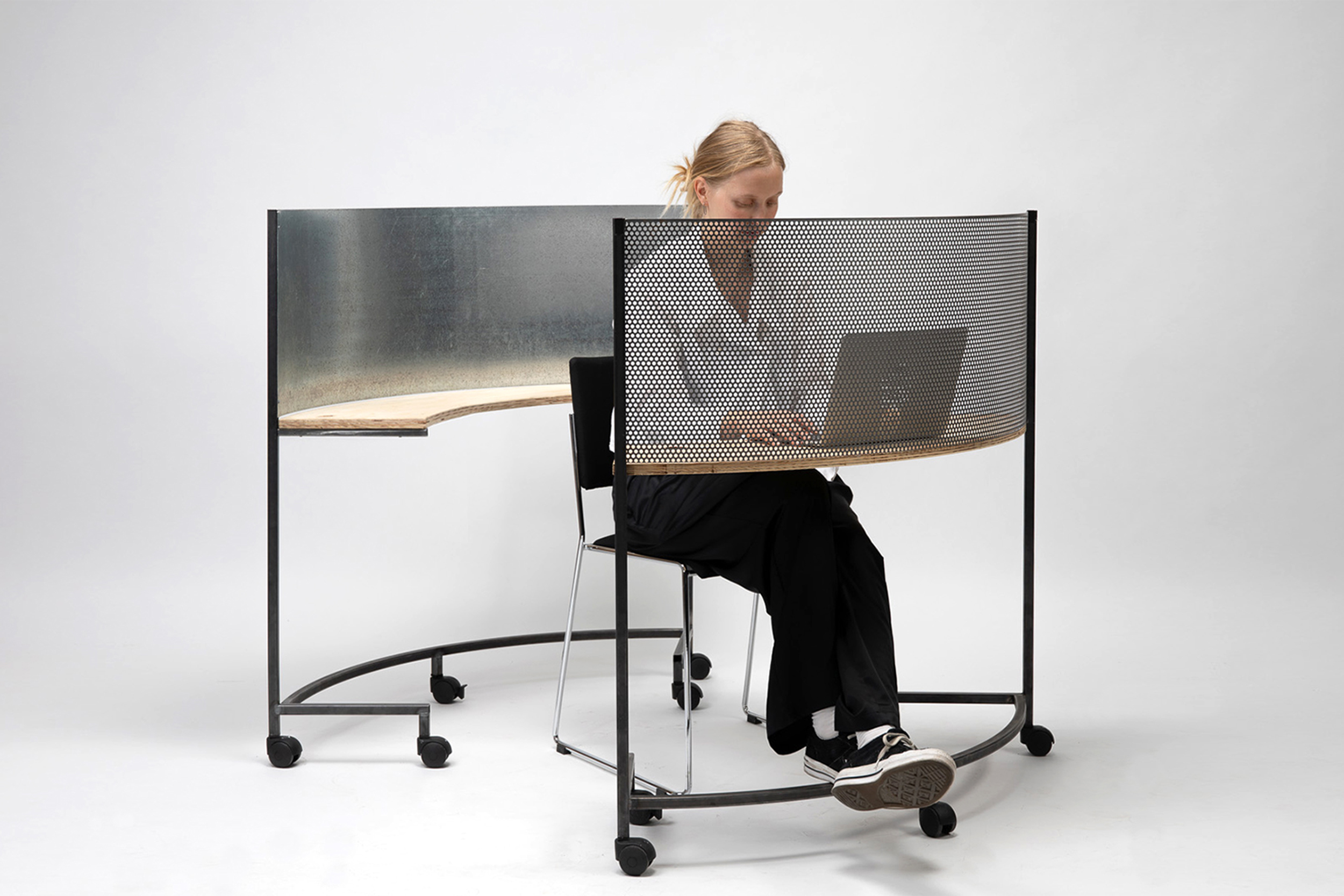
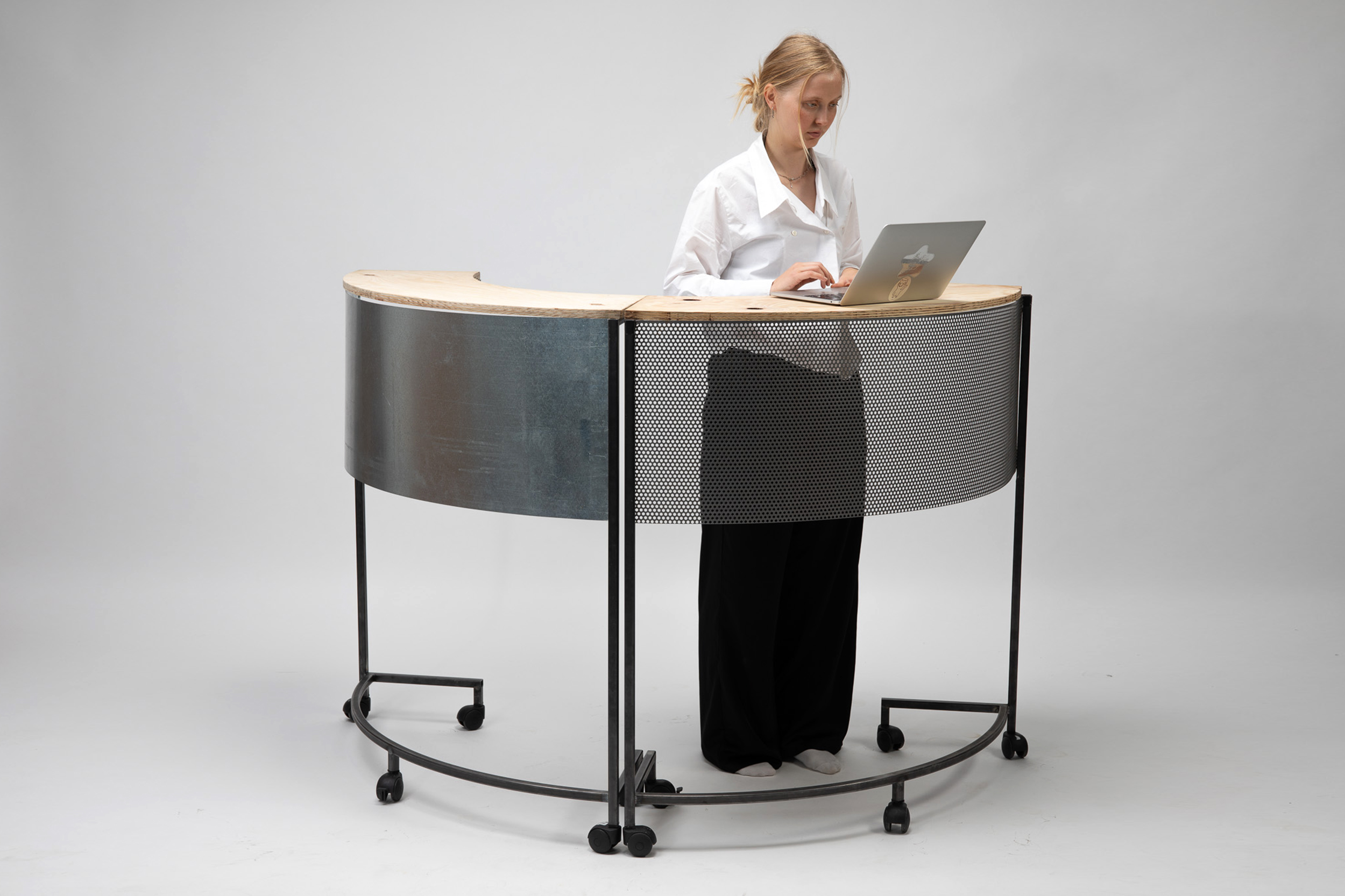
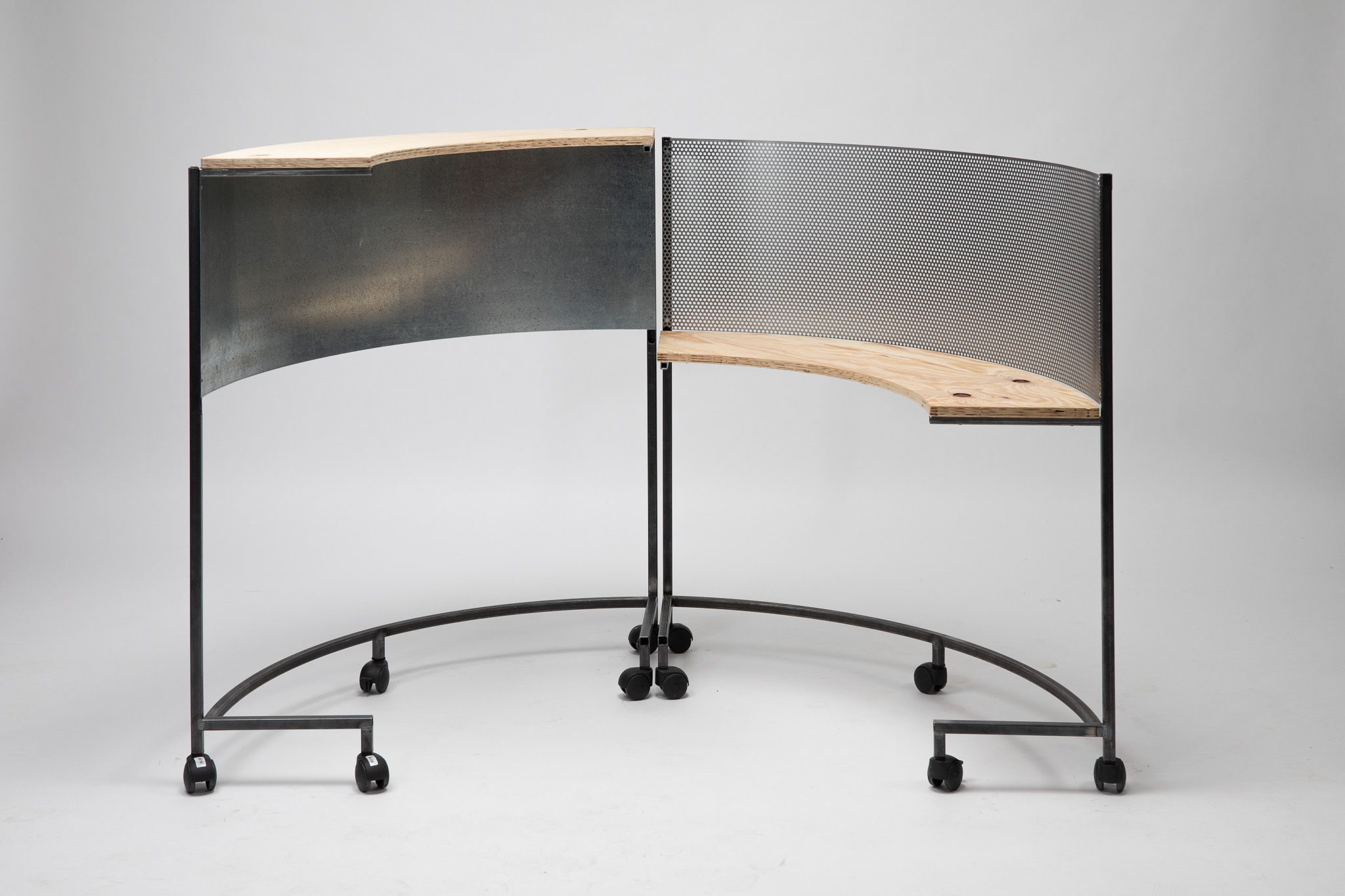
RON is a modular mobile workstation designed to fit in a typical office environment as momentary alternative for your 9 – 5 desk. It allows workers to switch up their workplace and create a private working area or a spontaneous meeting area that can be set up within minutes.
DARIO LANTSCHNER
1 / 4
KABELBAUM
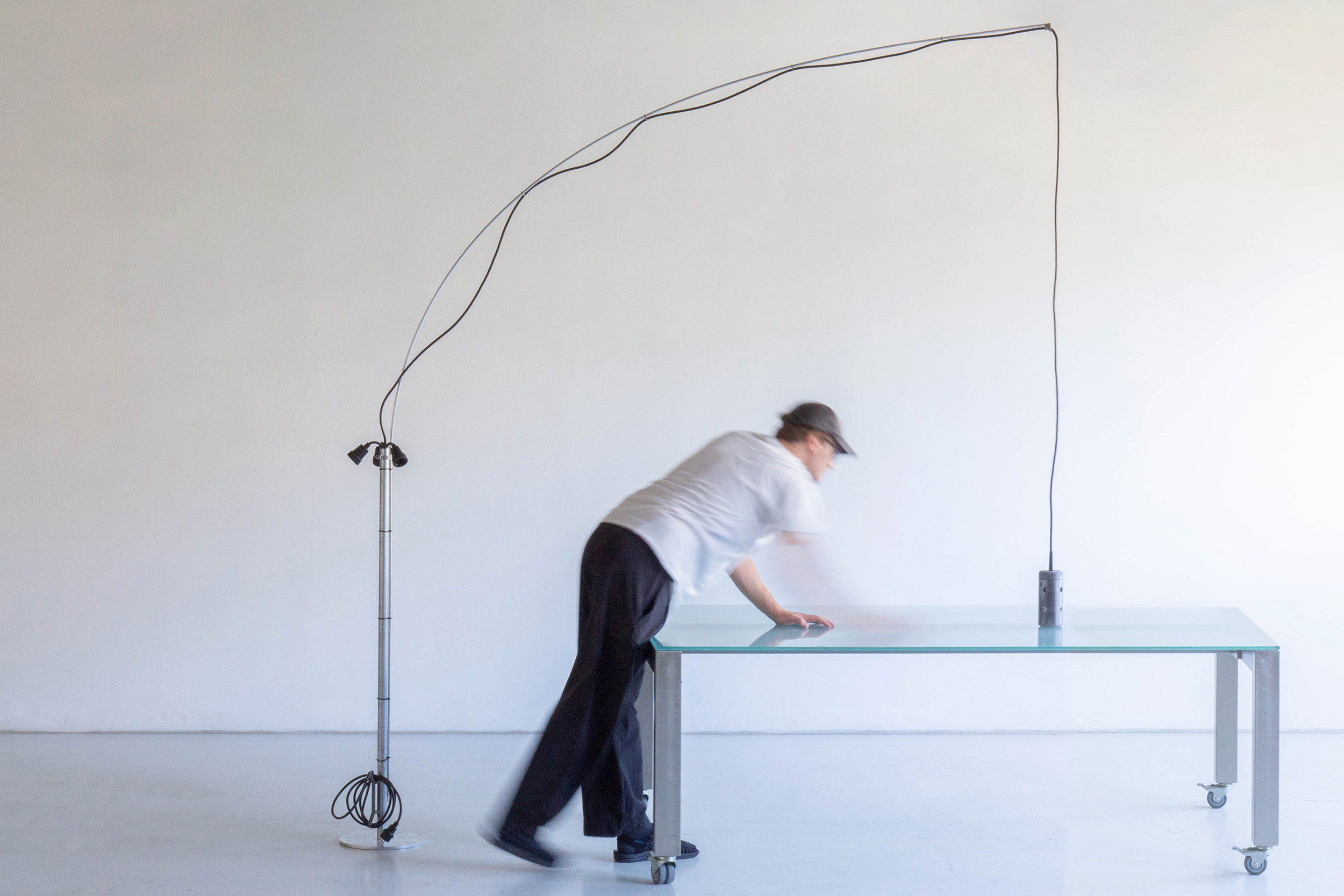
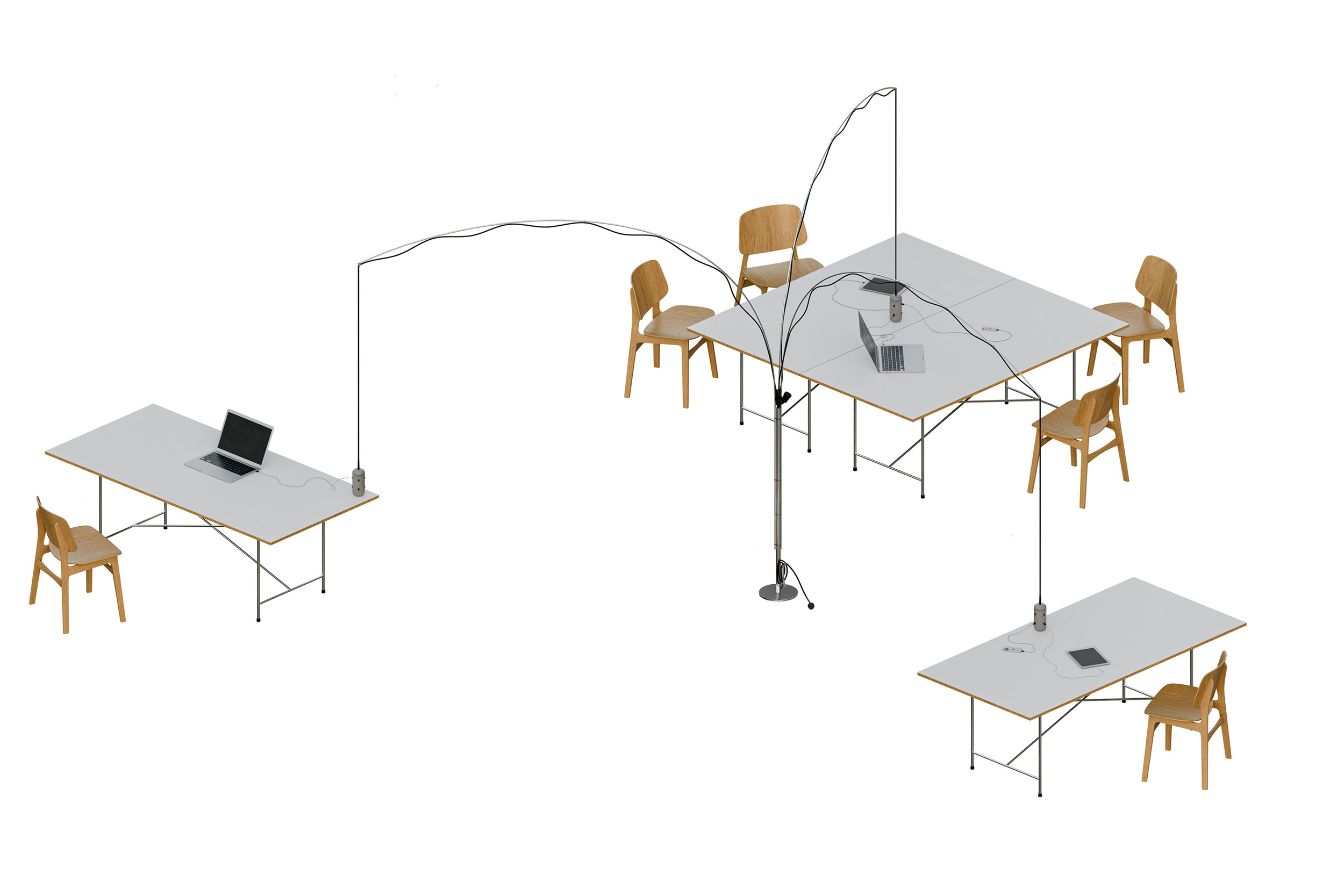
KABELBAUM tackles a common problem in modern offices: limited and inconvenient power access. Traditional power setups lead to messy cables and fixed outlets, hindering flexible office layouts and making reconfigurations difficult. Kabelbaum provides adaptable power directly on the desk surface.
AMBROSIA KÖB
HABITAT
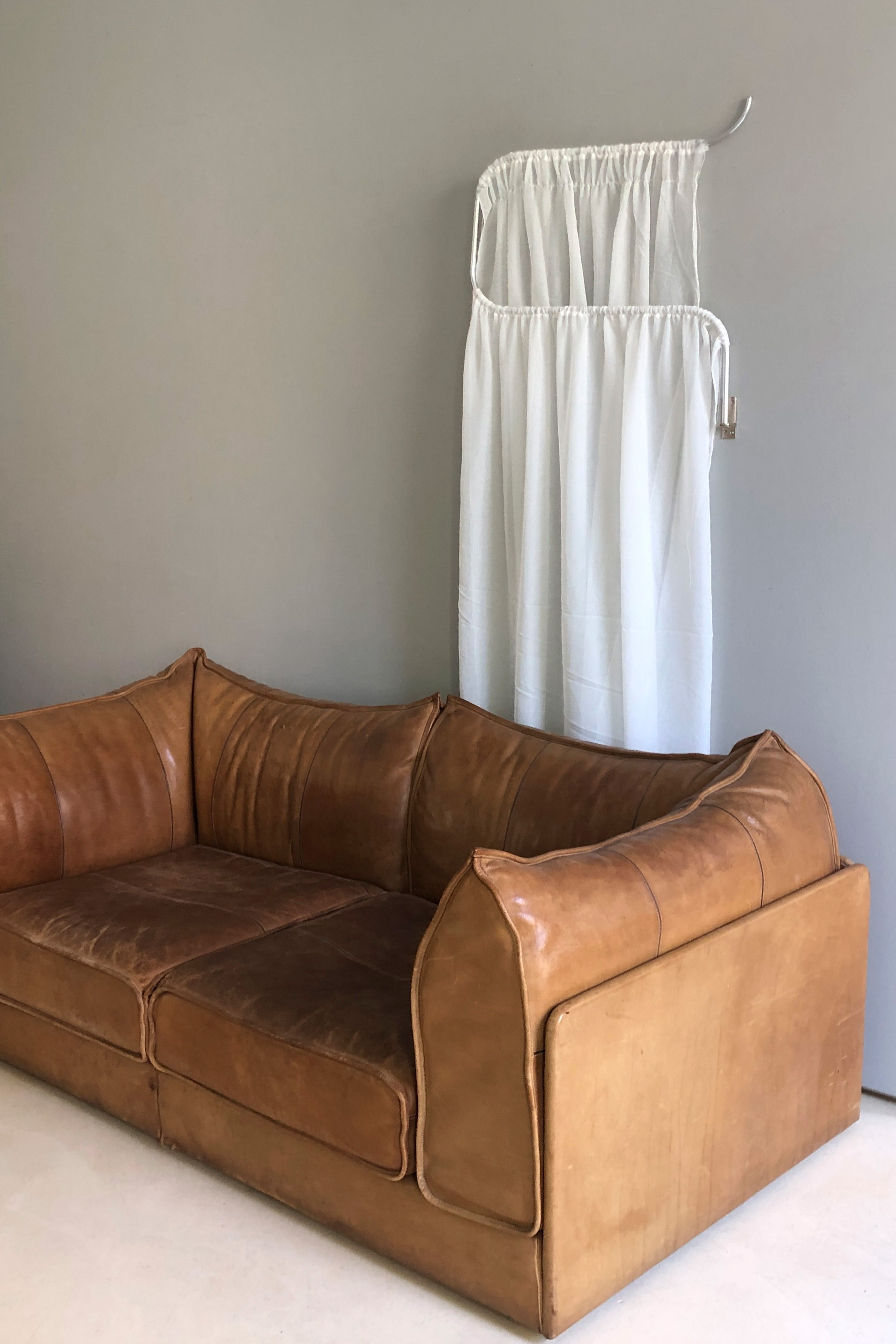
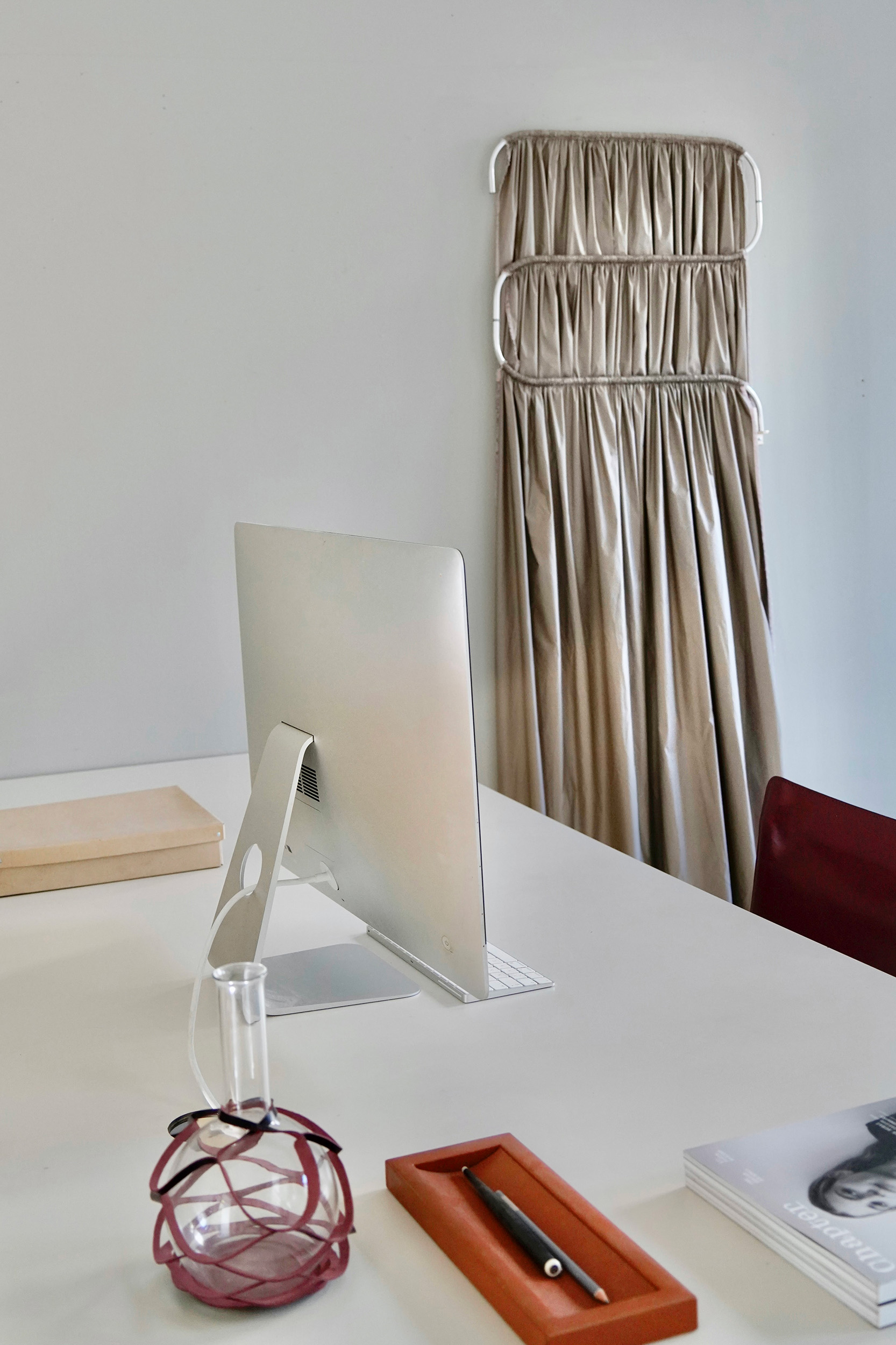
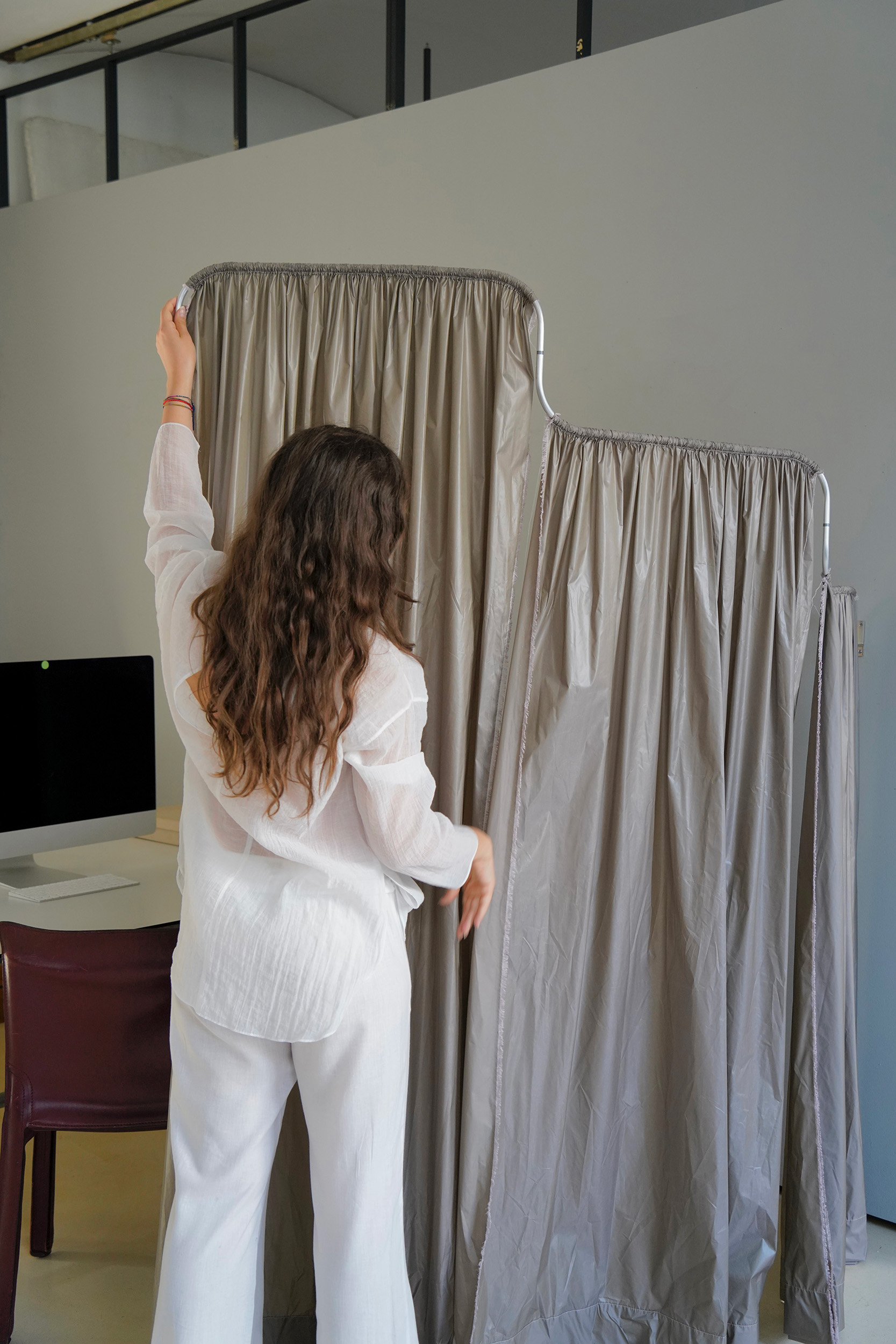
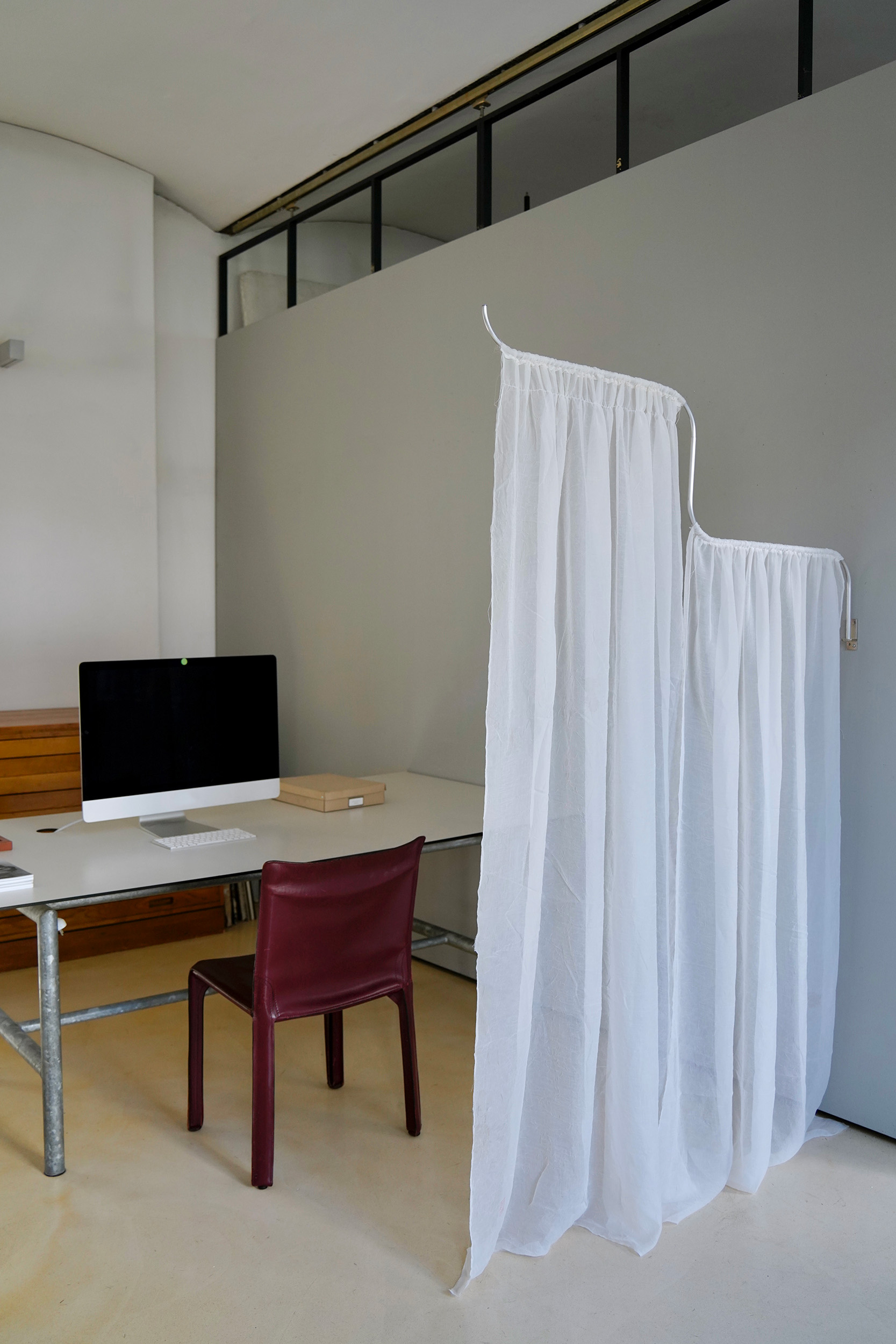
HABITAT creates a new place of seclusion – as a movable curtain that is both a room divider and an atmospheric design element. It enables employees to temporarily shield themselves within open-plan office structures – whether for focused work or short breaks.
YOO MIN SUN
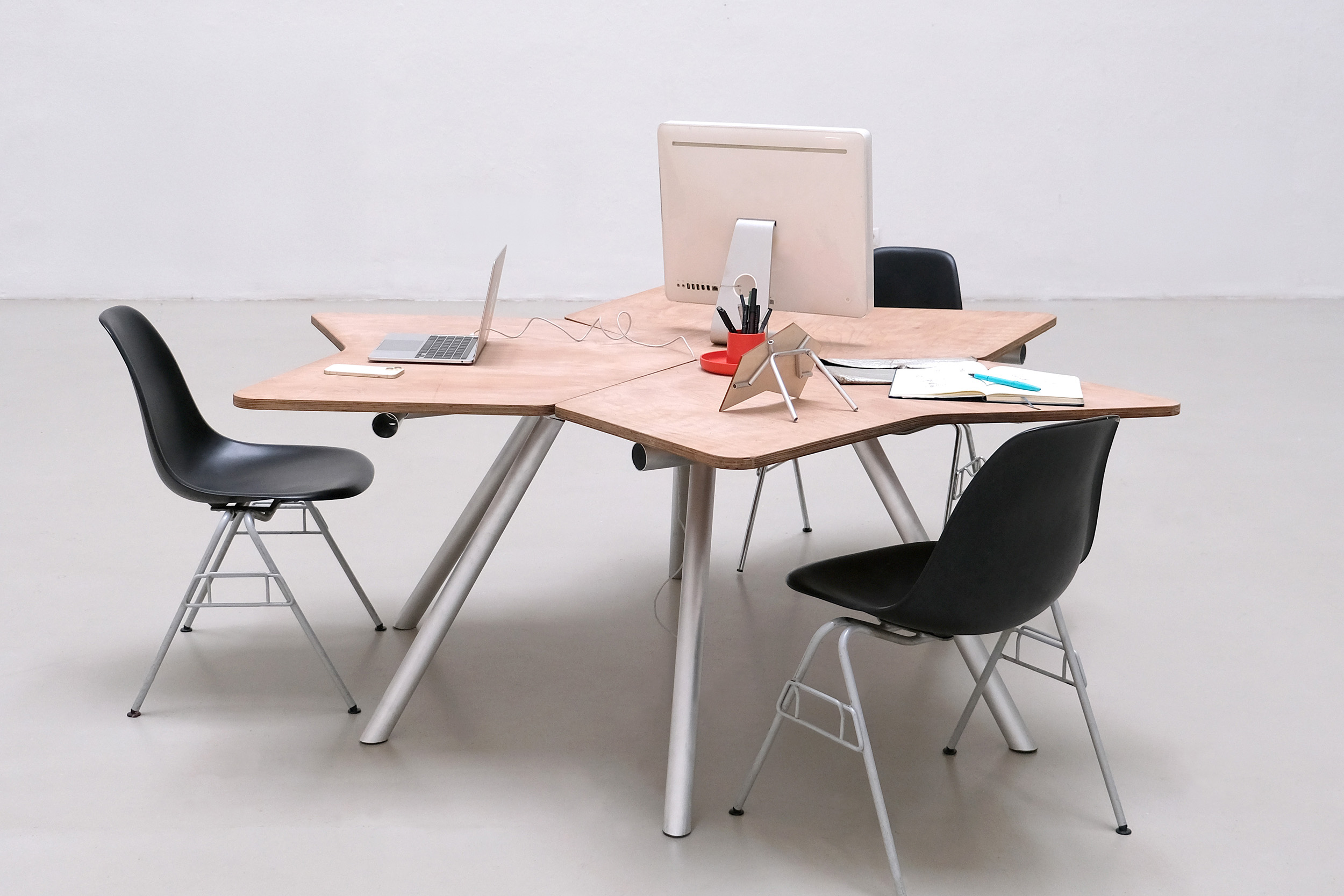
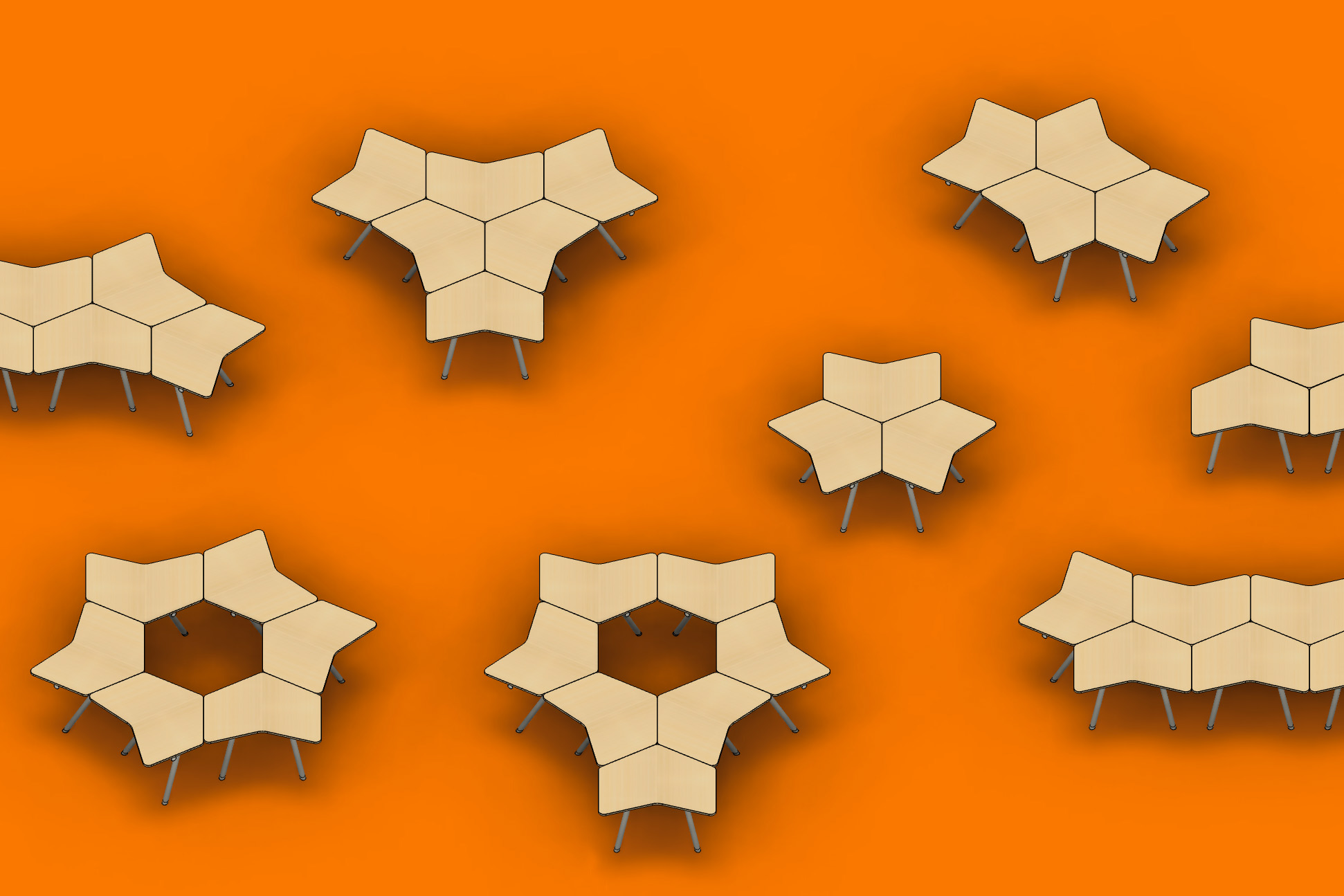
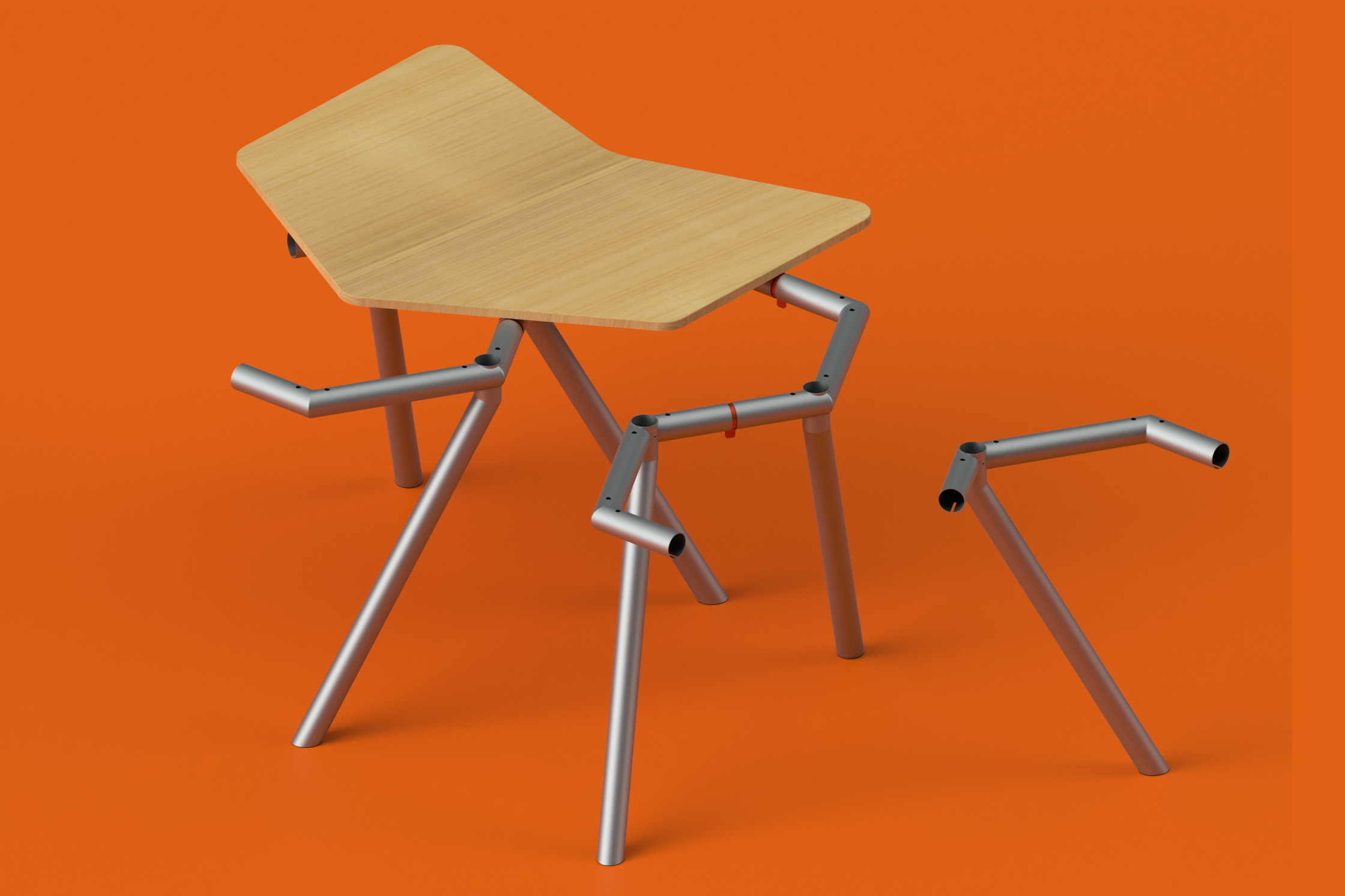
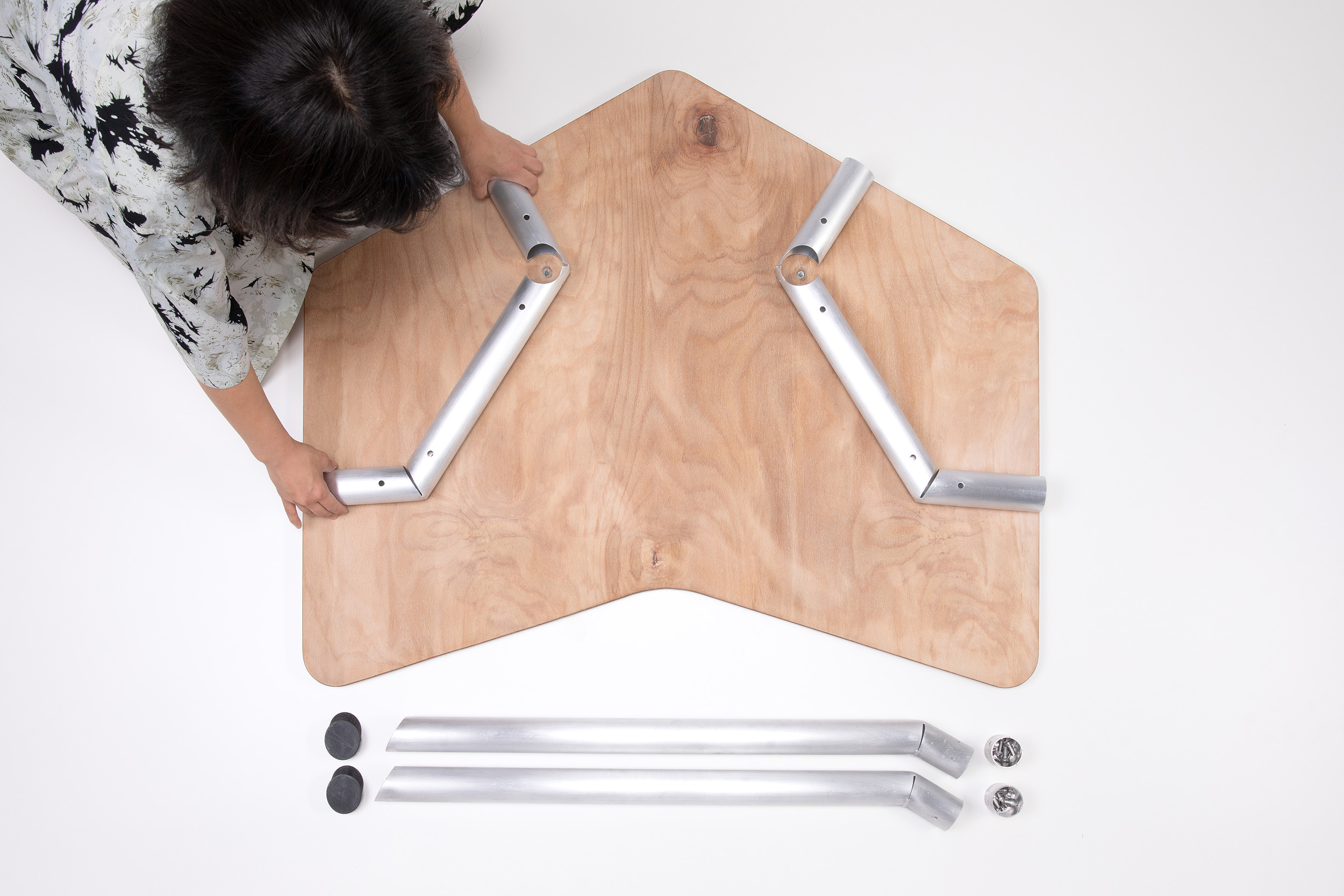
1 / 6
ADAP
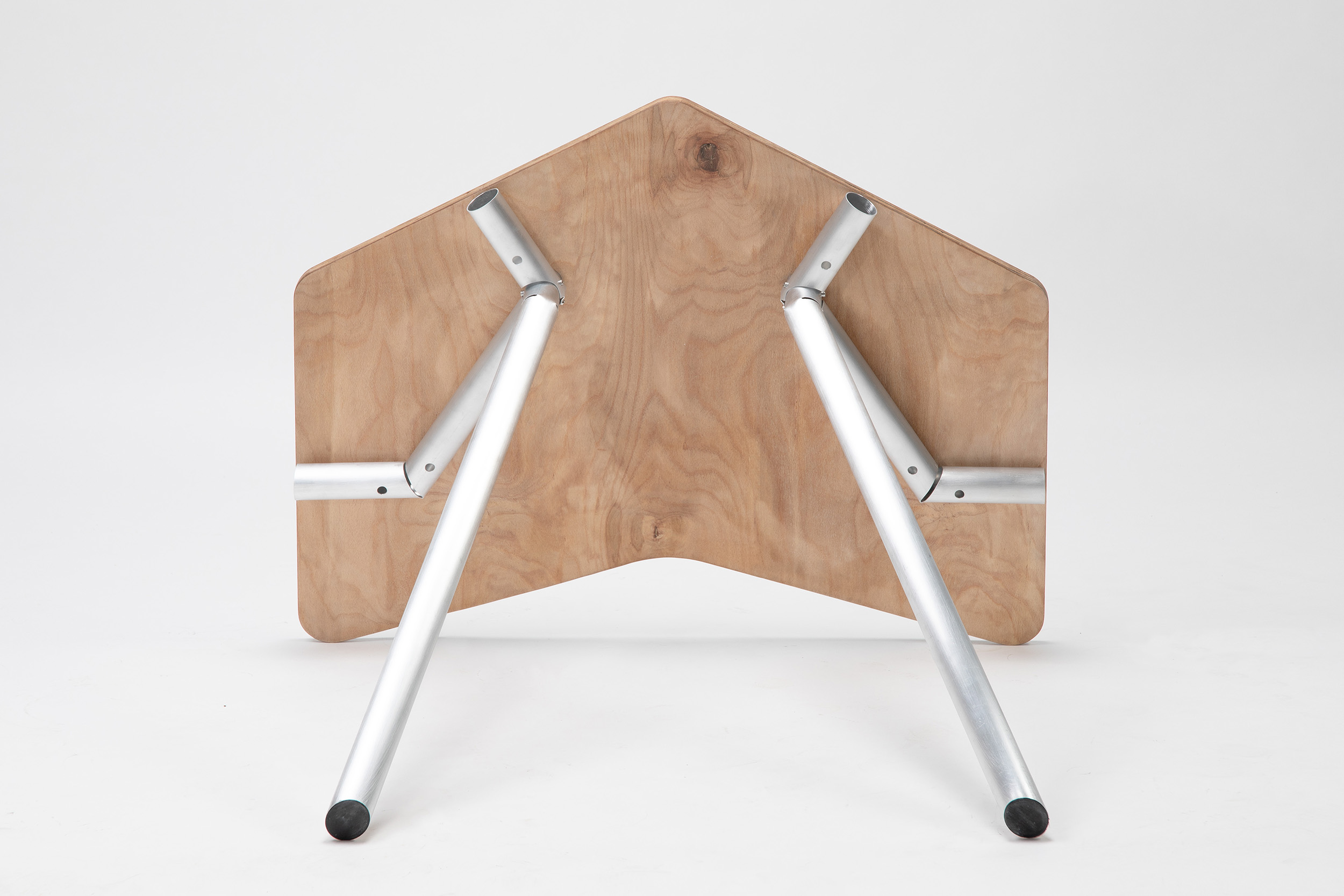
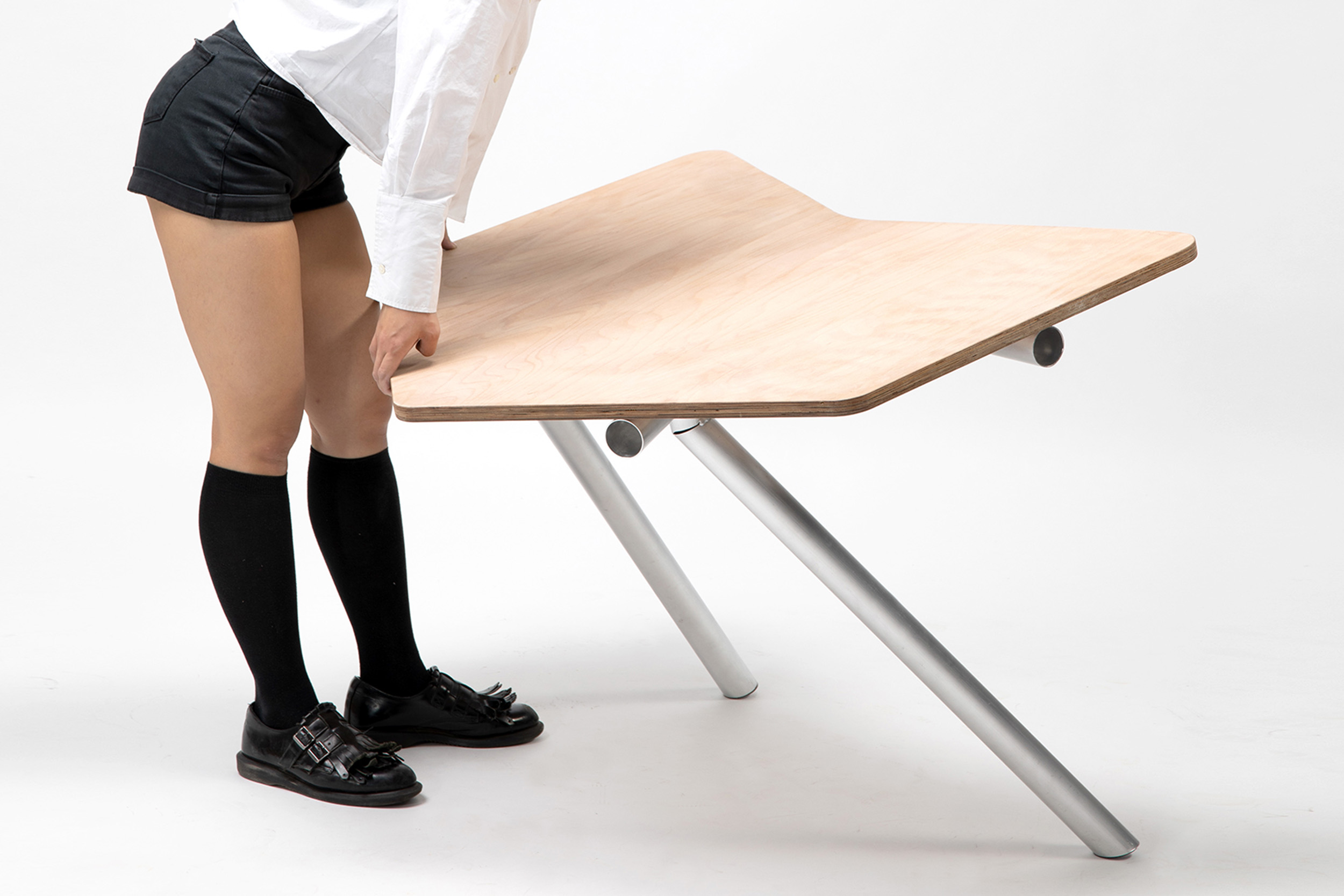
ADAP is a modular desk system, purposed to be used together in a group. Inspired from a behavior of offices and schools forming group of desks, the project started with a question : can they share their legs?
JAN PENKA
1 / 3
LINEAR BALANCE
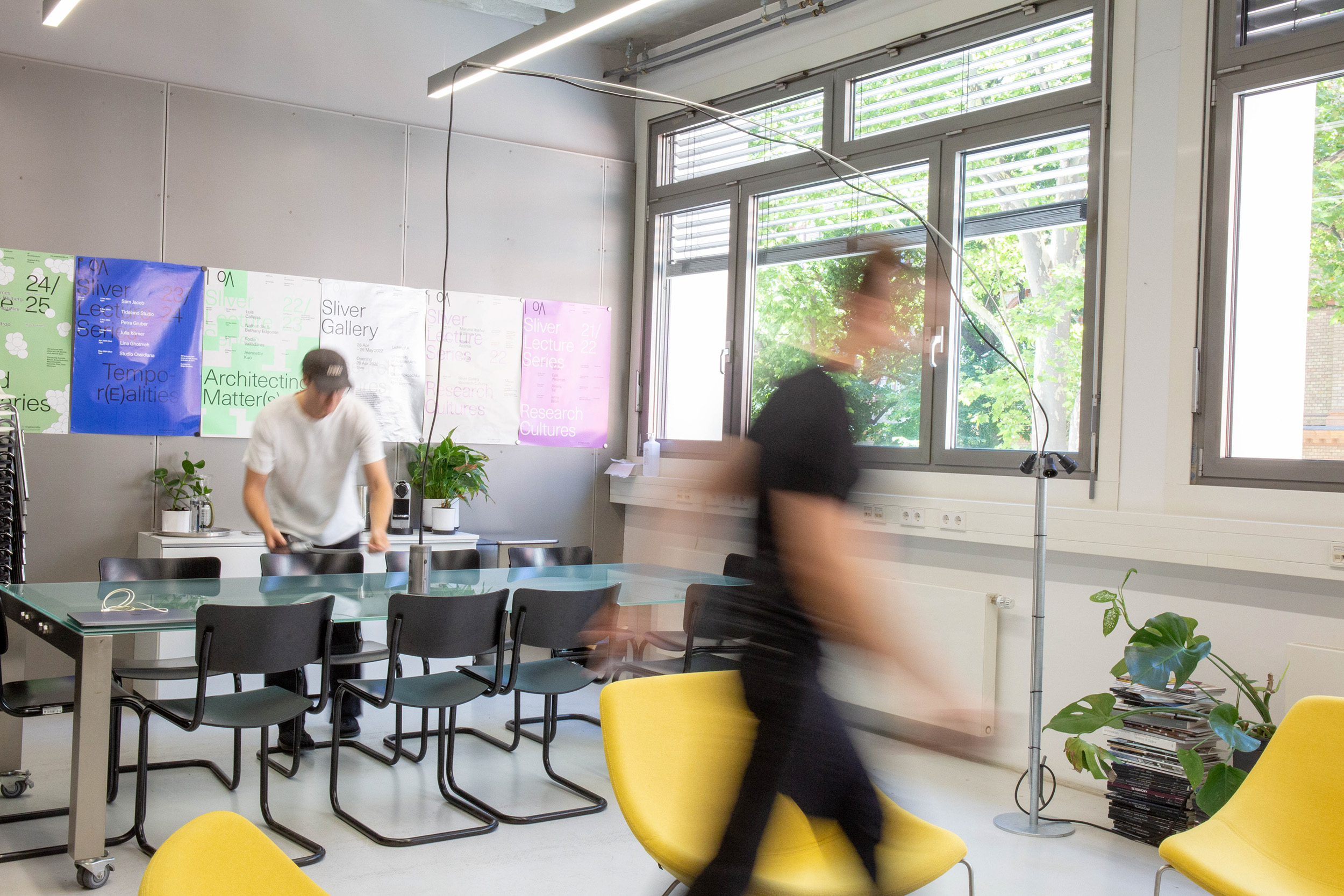
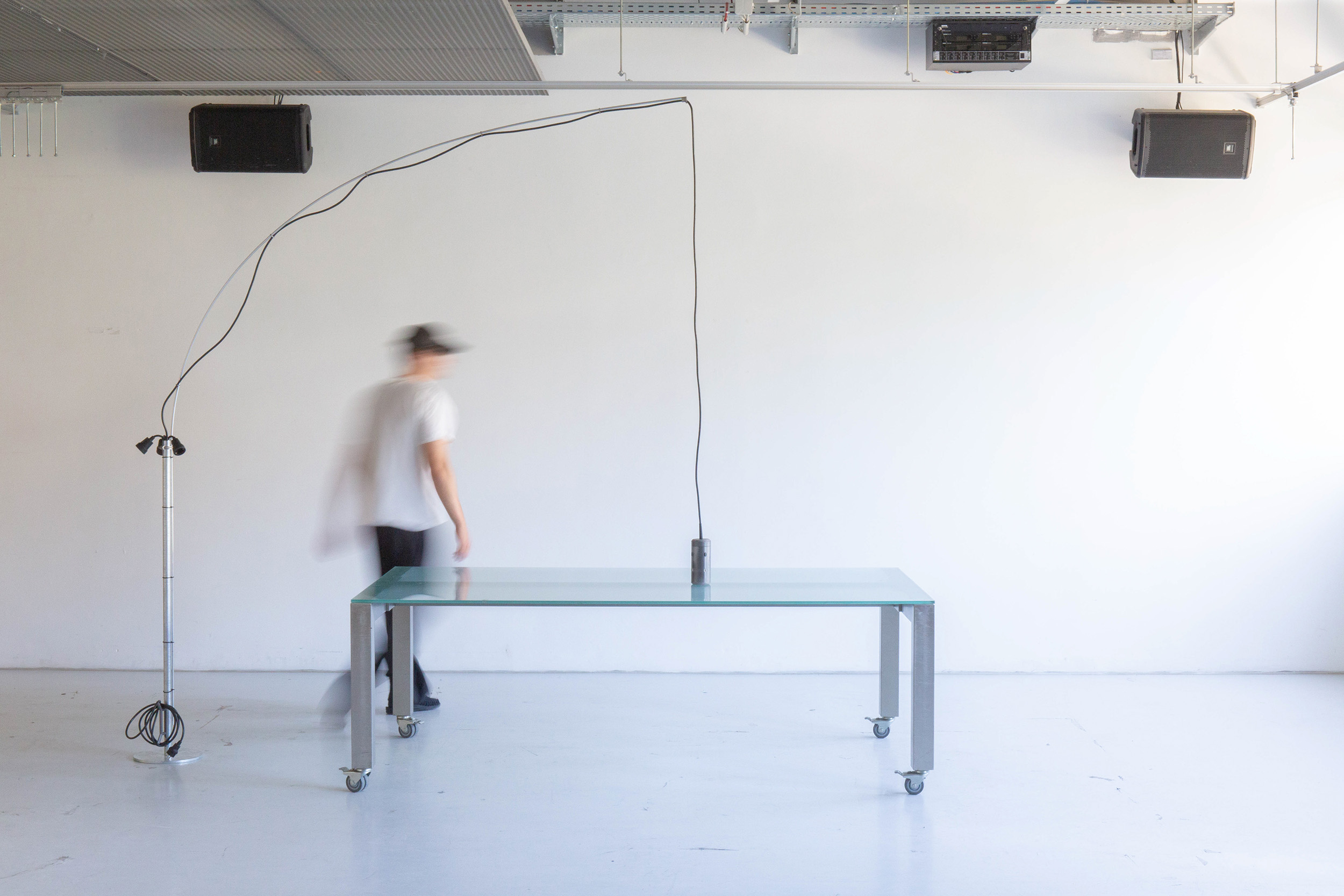
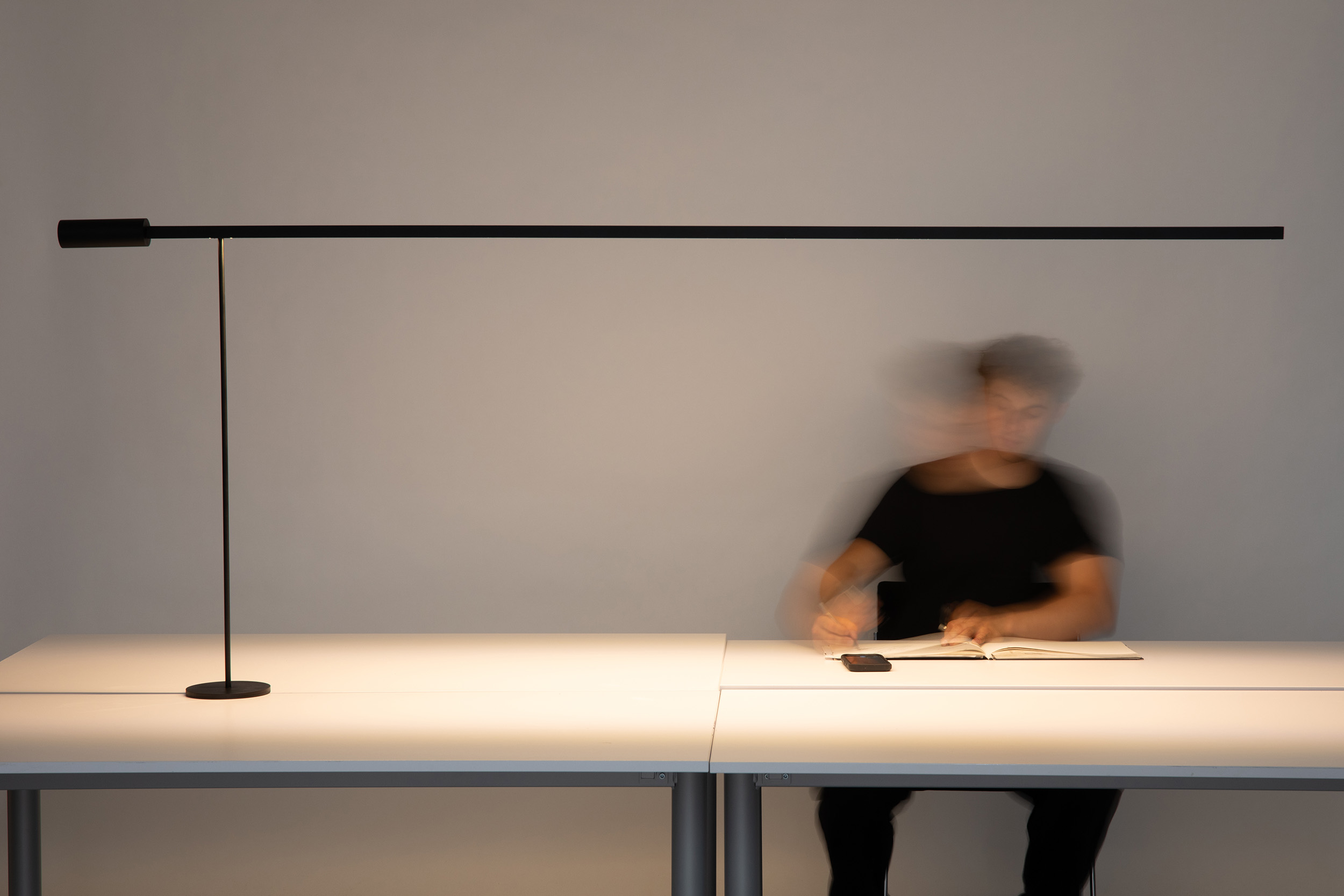
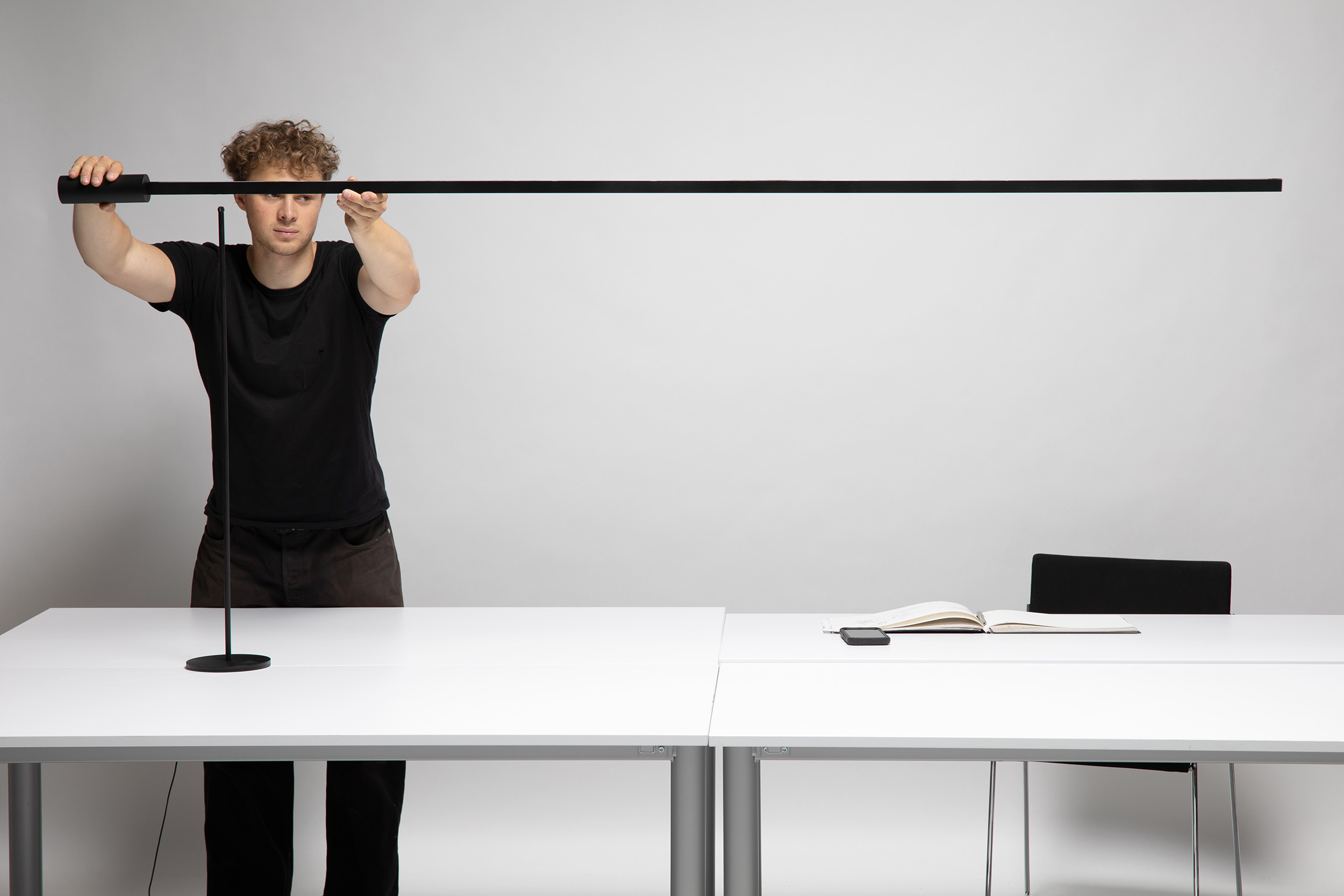
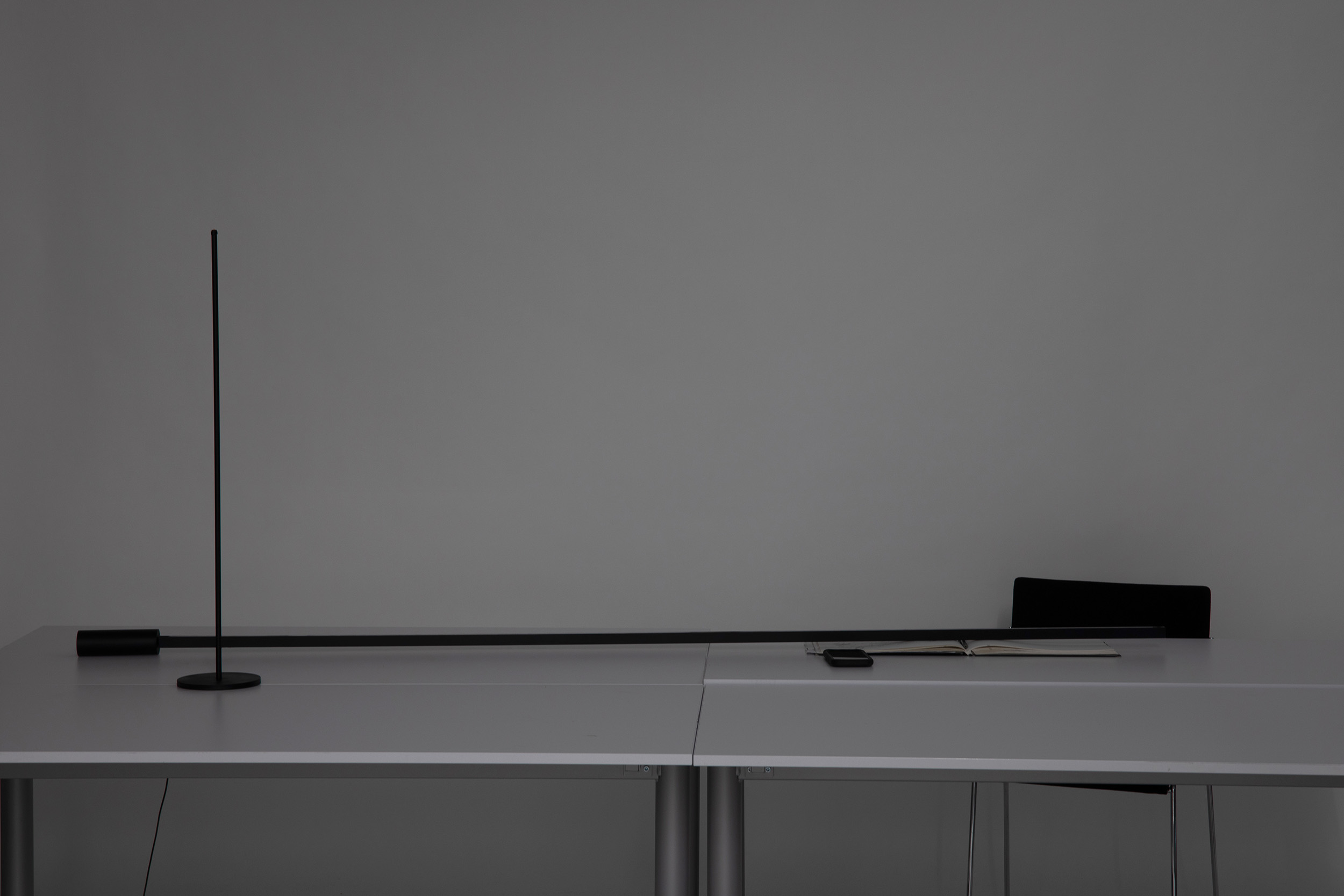
LINEAR BALANCE transforms a workspace into a place for collaboration. The Project is inspired by the difficulty of installing linear pendant lights and the lack of flexibility they present once fixed in place. Linear Balance addresses this by offering the same spatial qualities as a pendant, but in a freestanding form.
MAXIMILIAN OBERACHER
SYRINX
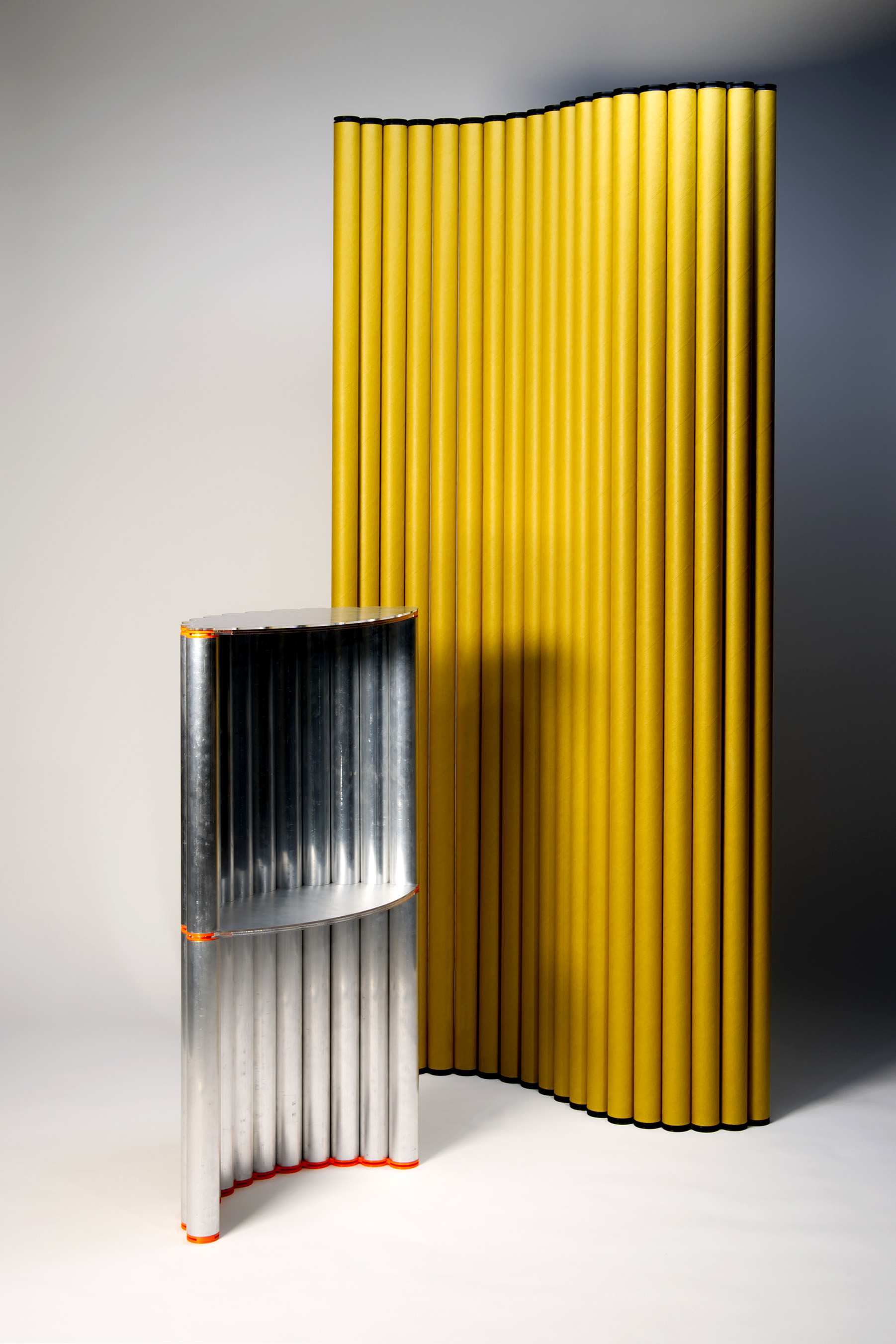
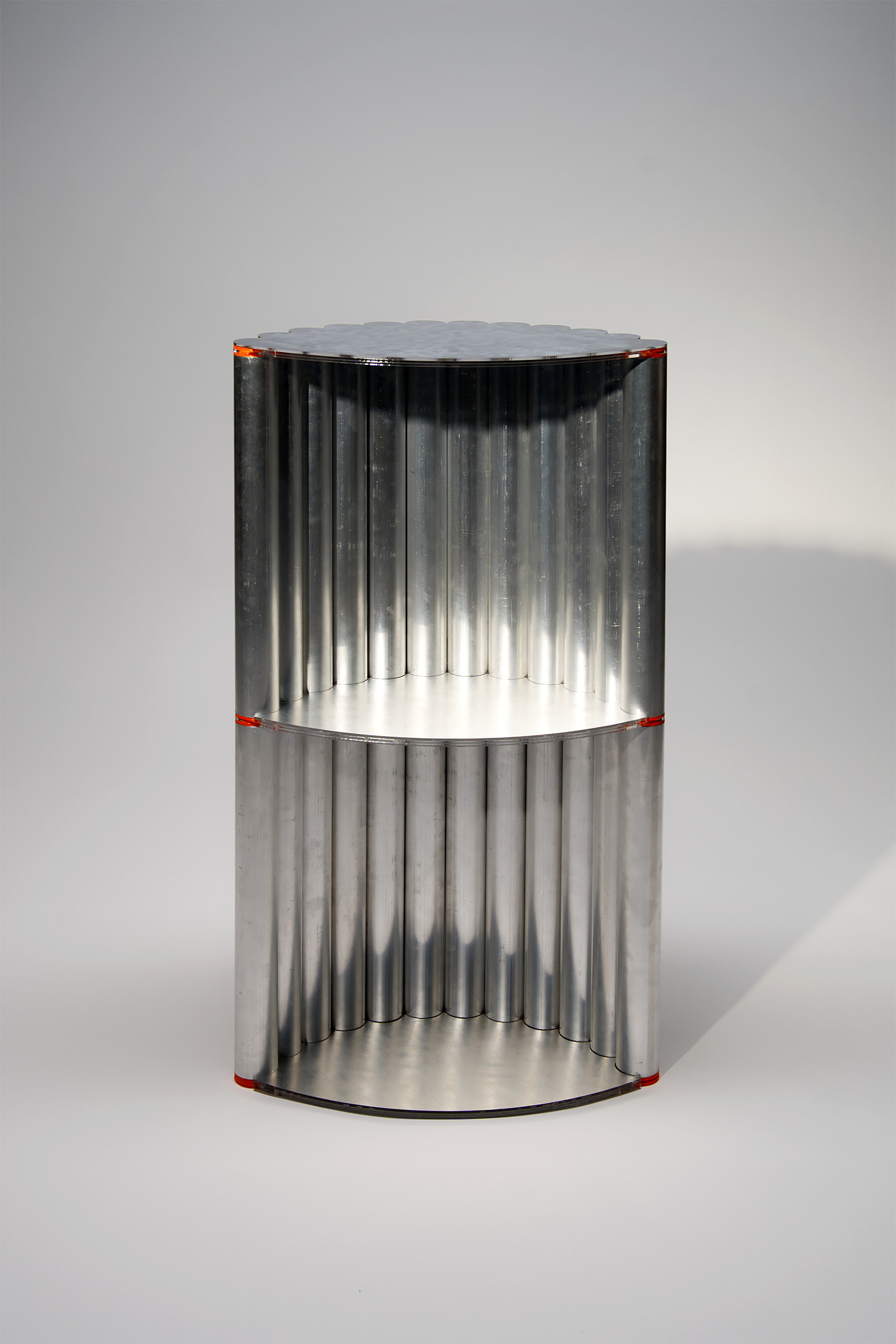
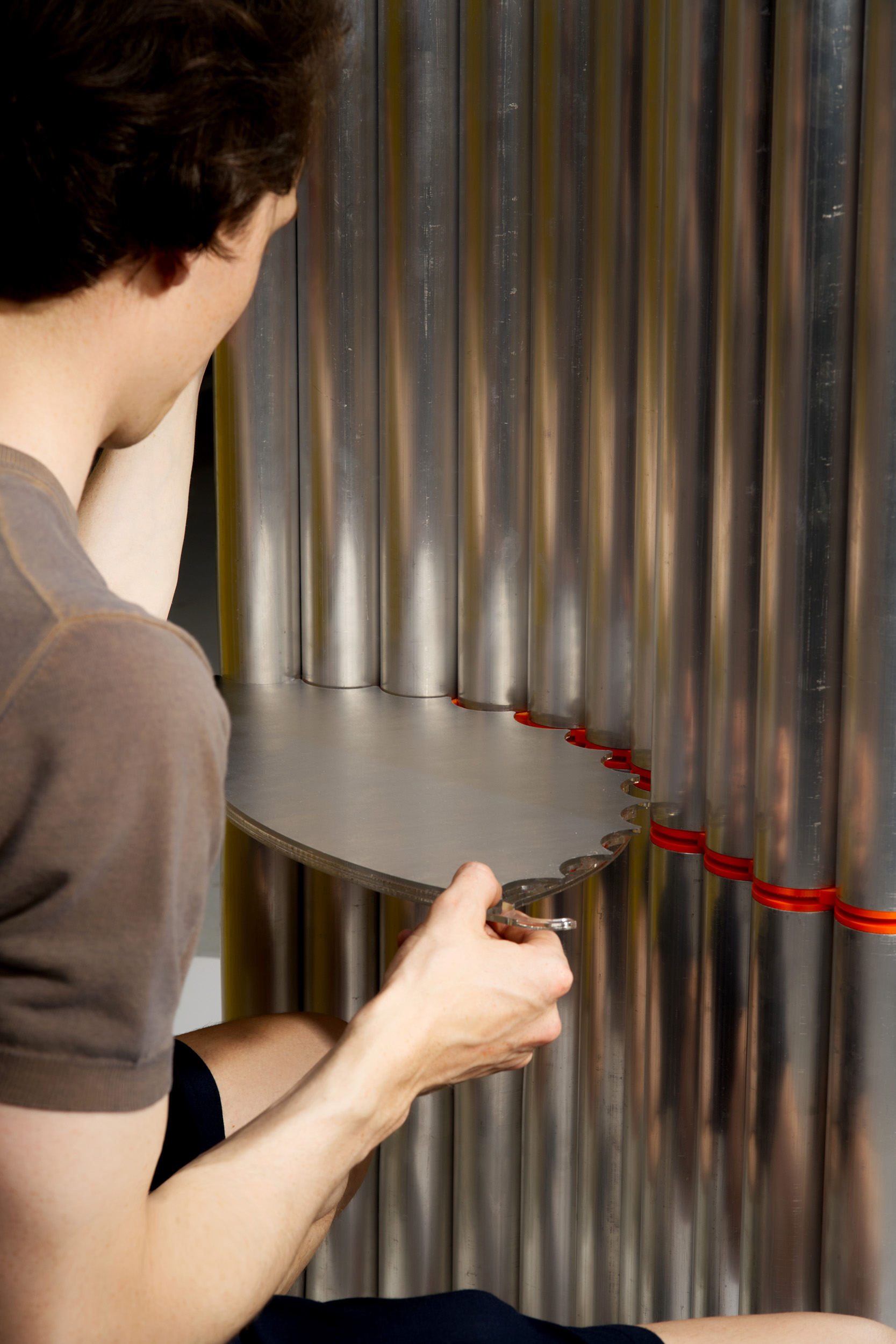
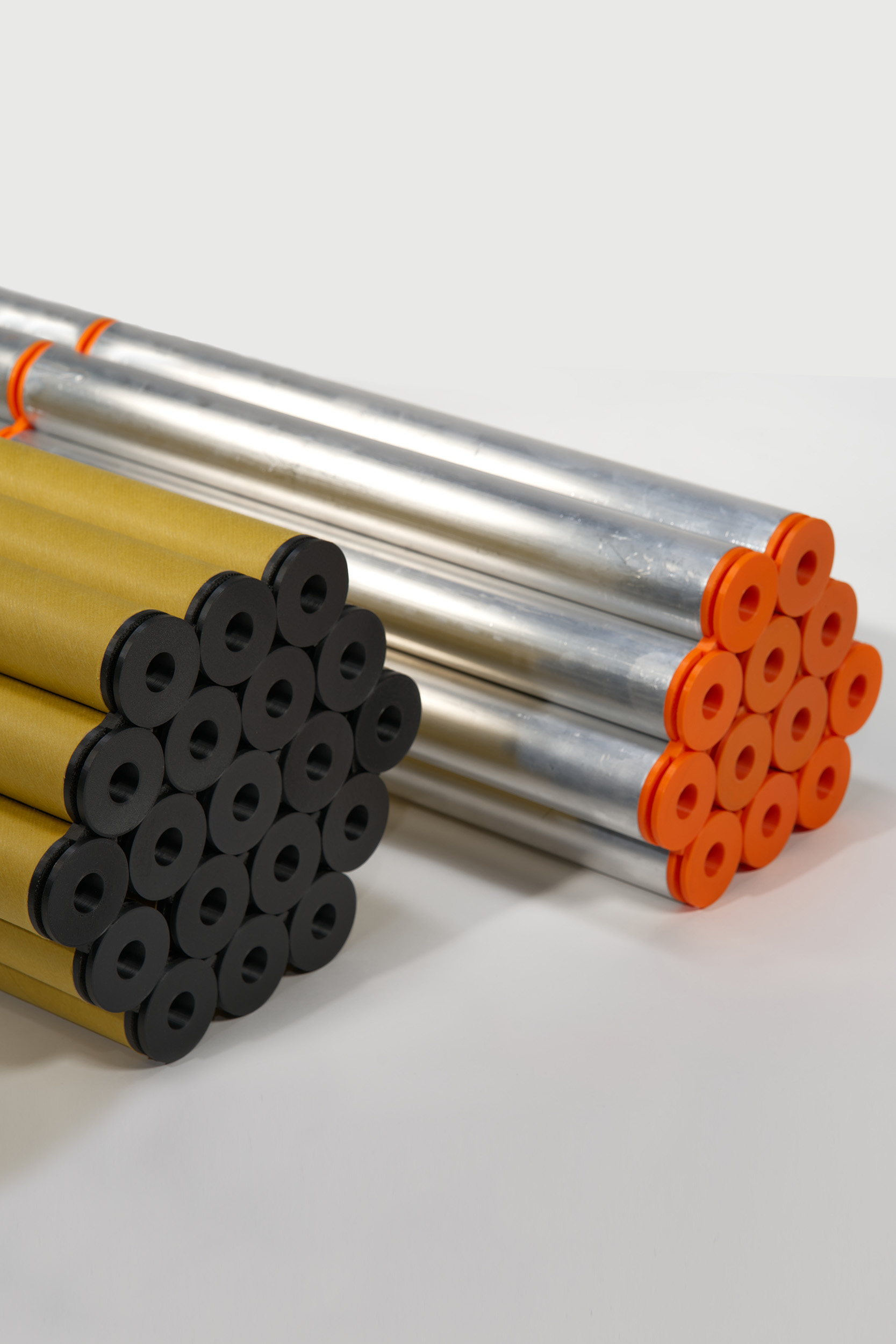
SYRINX aims to significantly streamline inventory management for rental companies by standardising linking components and offering interchangeable tube lengths. The system’s modularity means that the same parts can be reconfigured to create table legs, room dividers or shelving systems.
JANA KAUFMANN
1 / 3
REBENCH
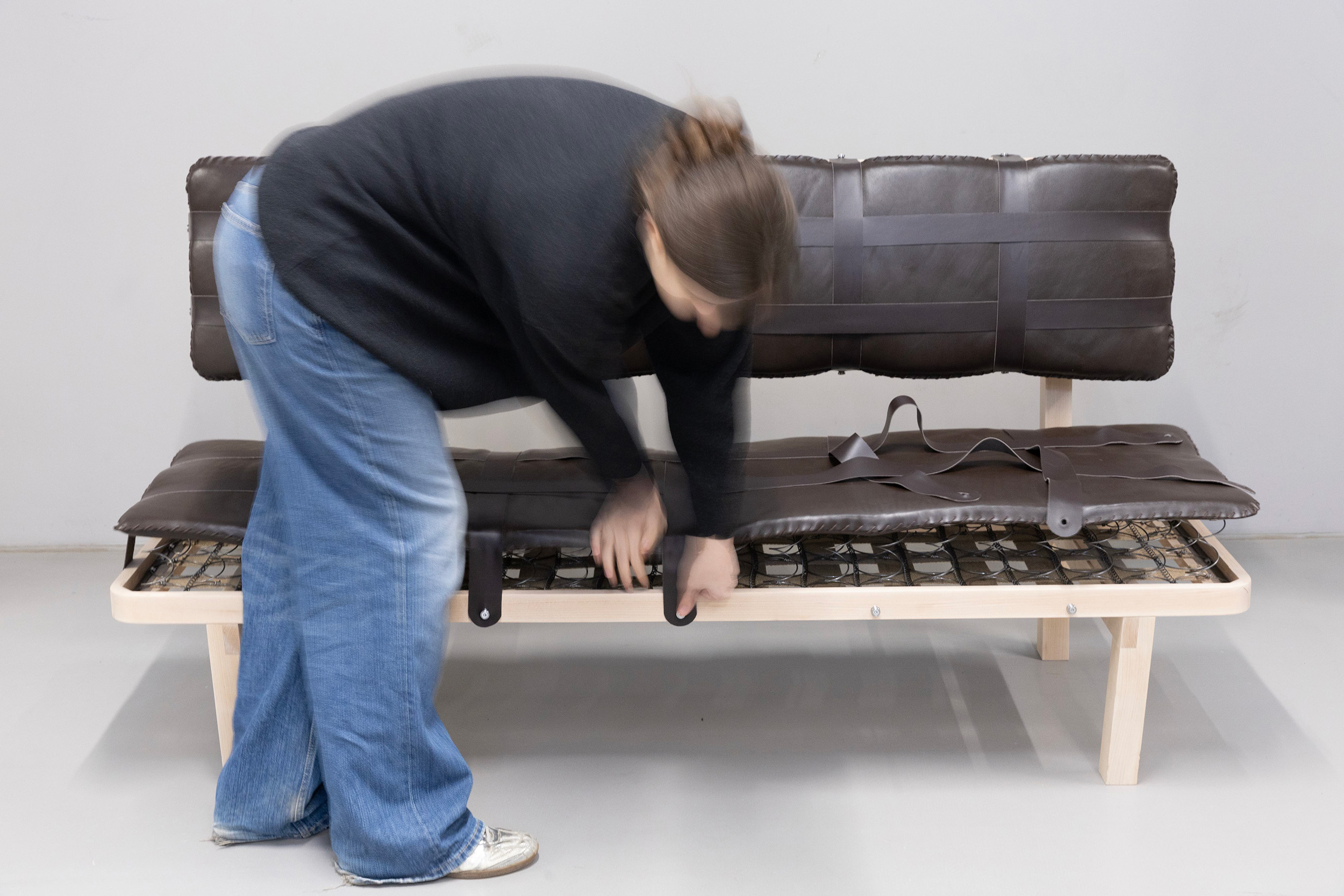
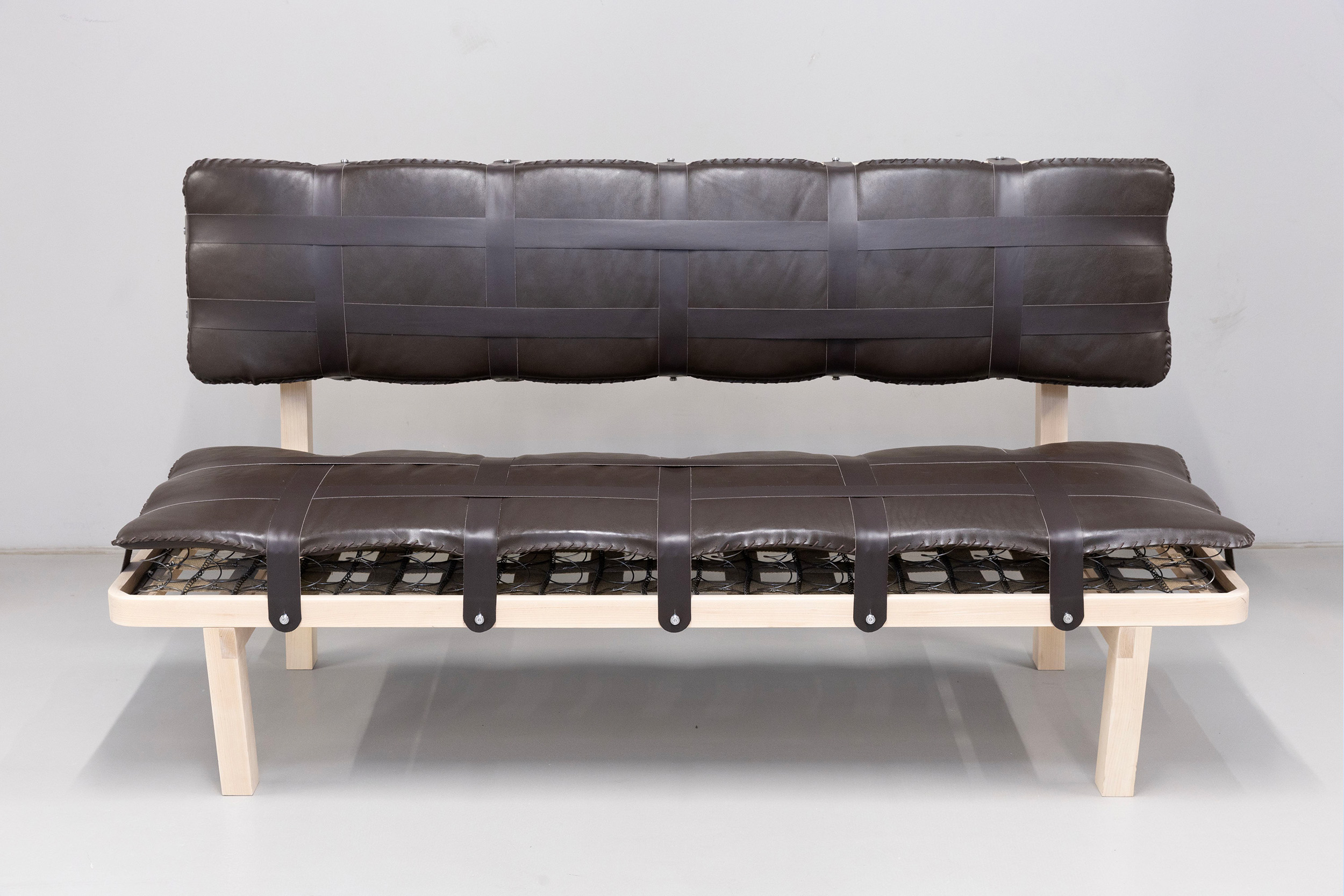
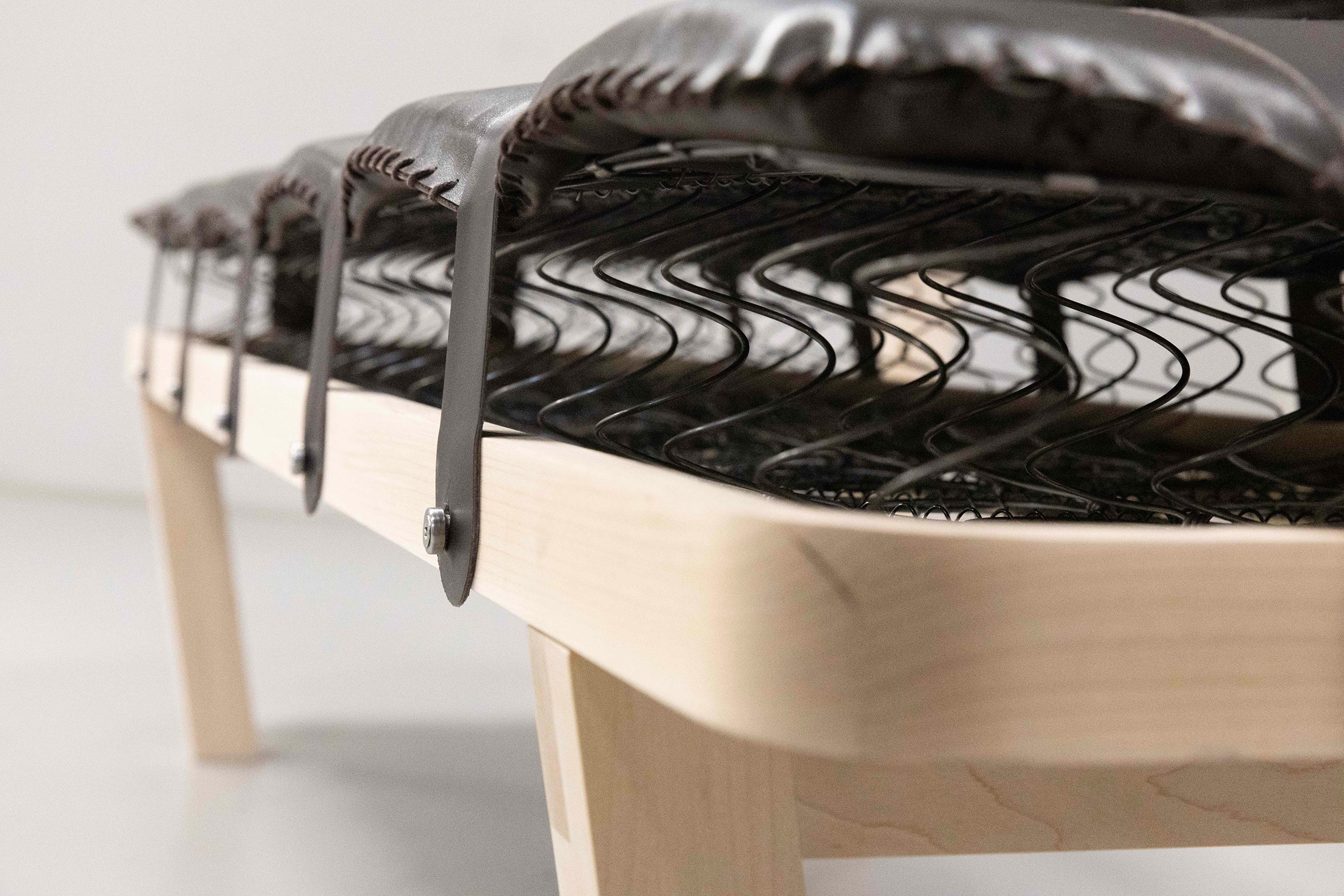
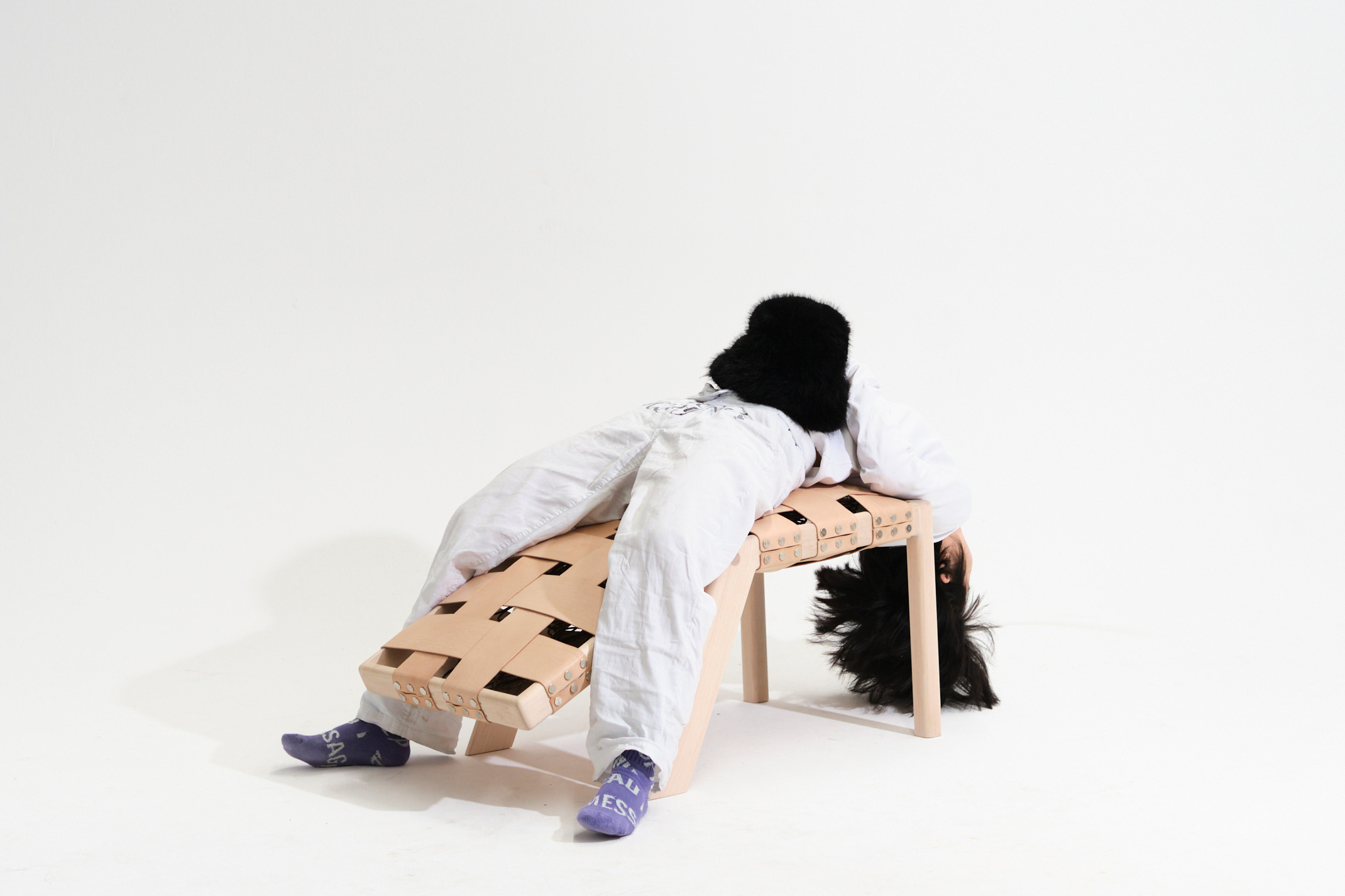
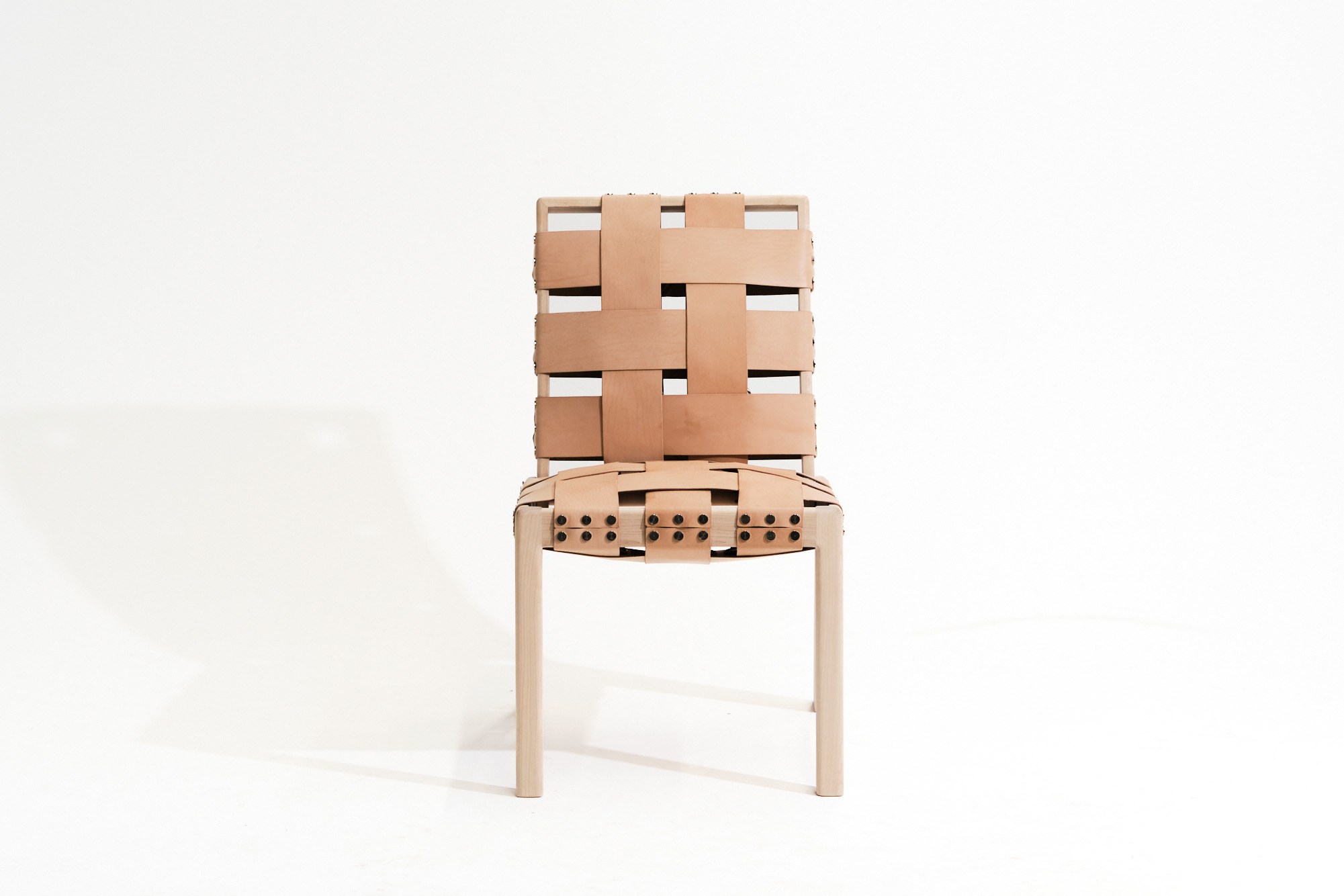
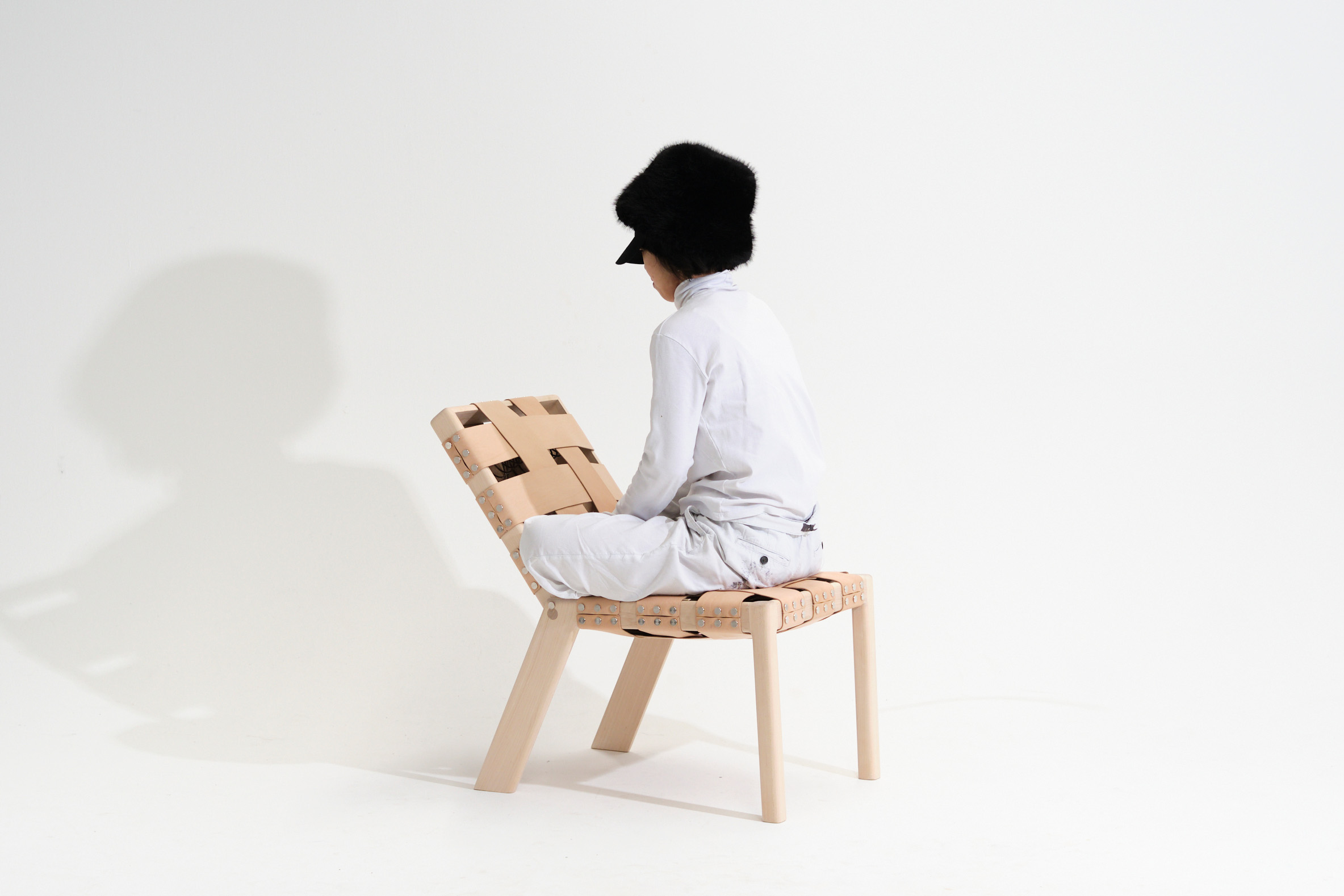
REBENCH involves the design of a spring-core piece of furniture that focuses not only on form – in this case, a sofa – but above all on a sustainable and repair-friendly construction. All parts can be easily replaced without the need for professional assistance, selectively made of materials that are durable, separable, and easy to replace.
FLORA SOMMER
1 / 4
SPRRRRRING
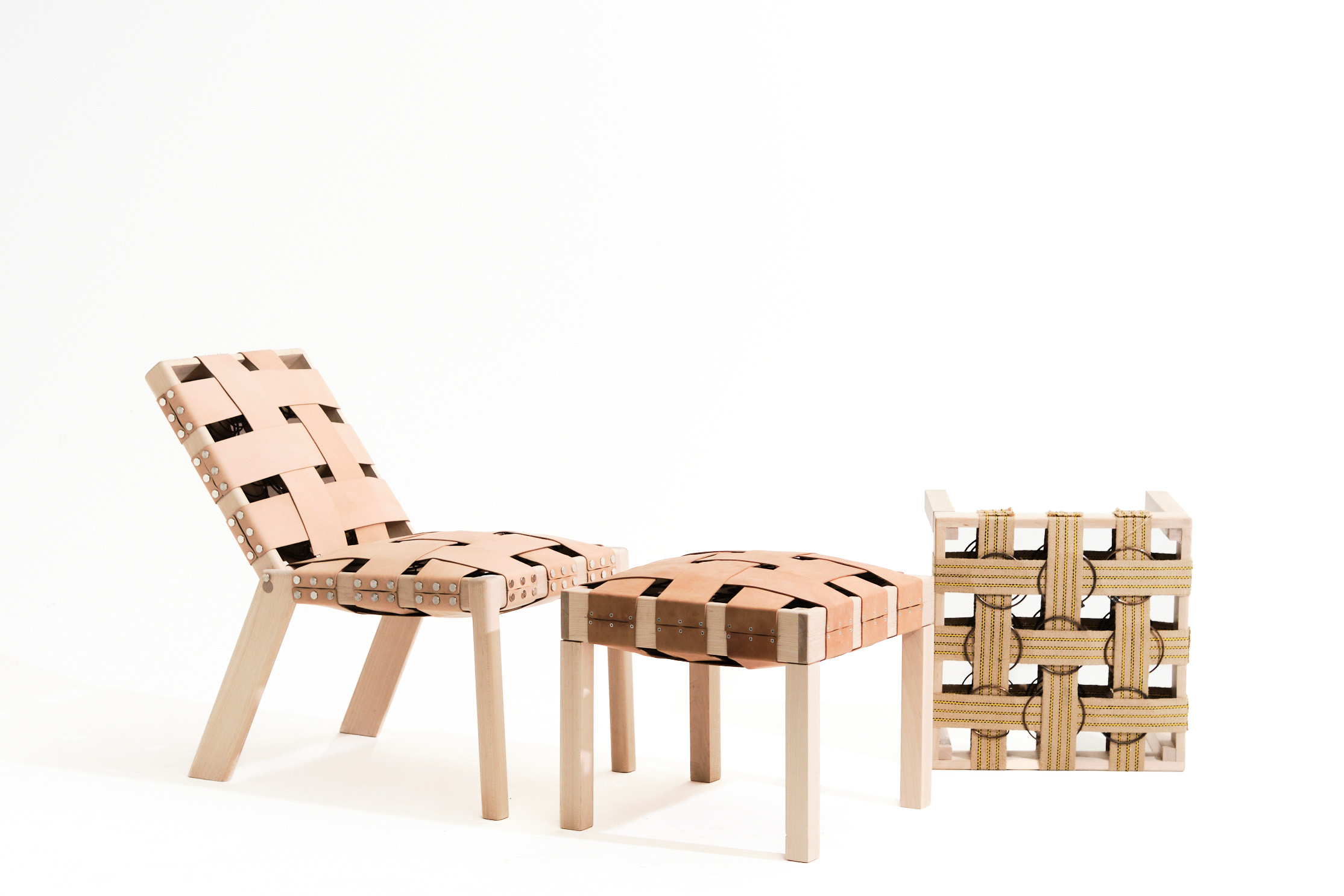
SPRRRRRING is a furniture piece, made from old large steel springs. These are tightened around a wooden frame to form a compound seat without sewing or lacing. The backrest and seat are constructed in the same way and run along a round axis where the angle to each other can be adjusted.
MORITZ BERCHTOLD
1 / 4
OFFICE HORSE & OFFICE DONKEY
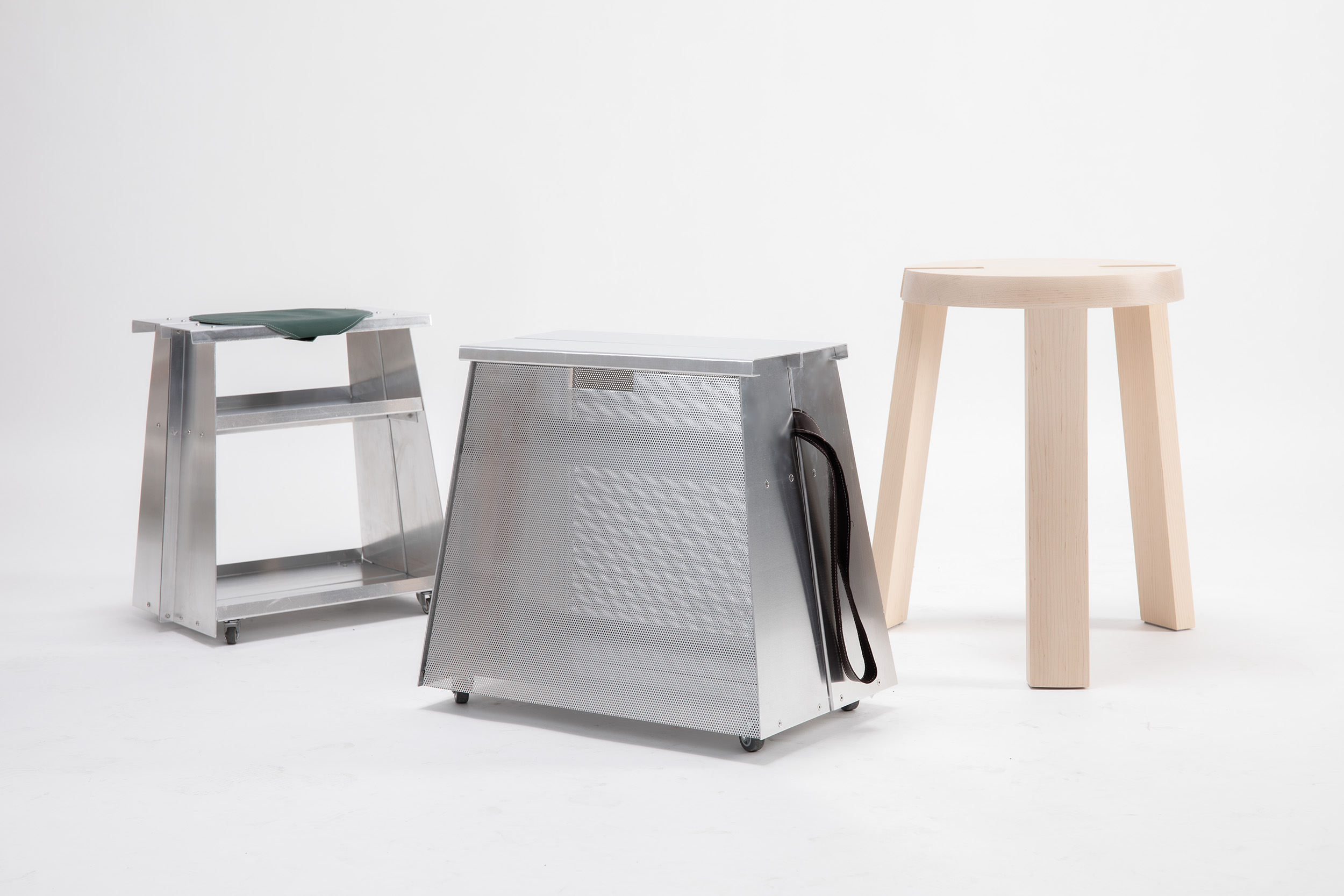
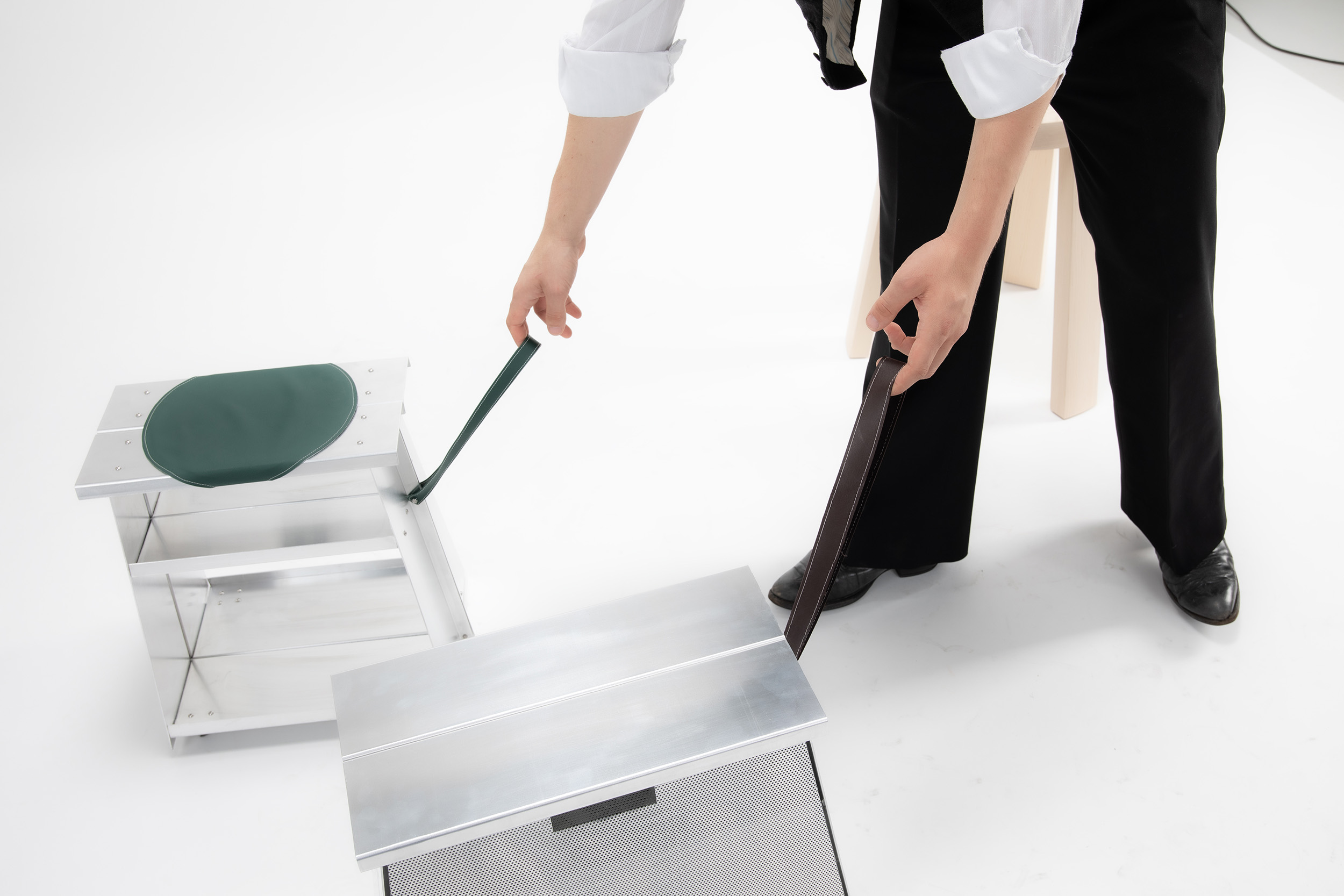
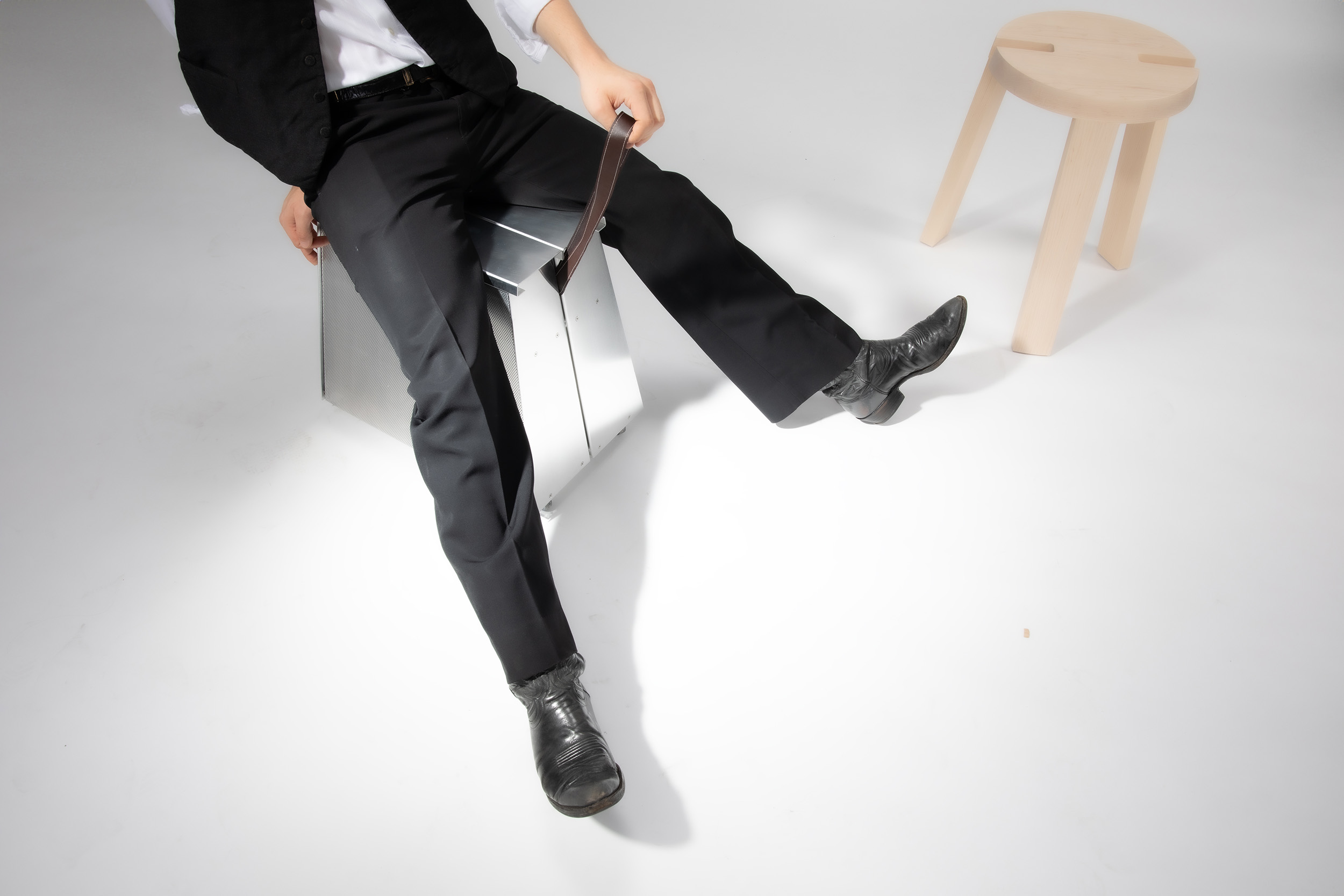
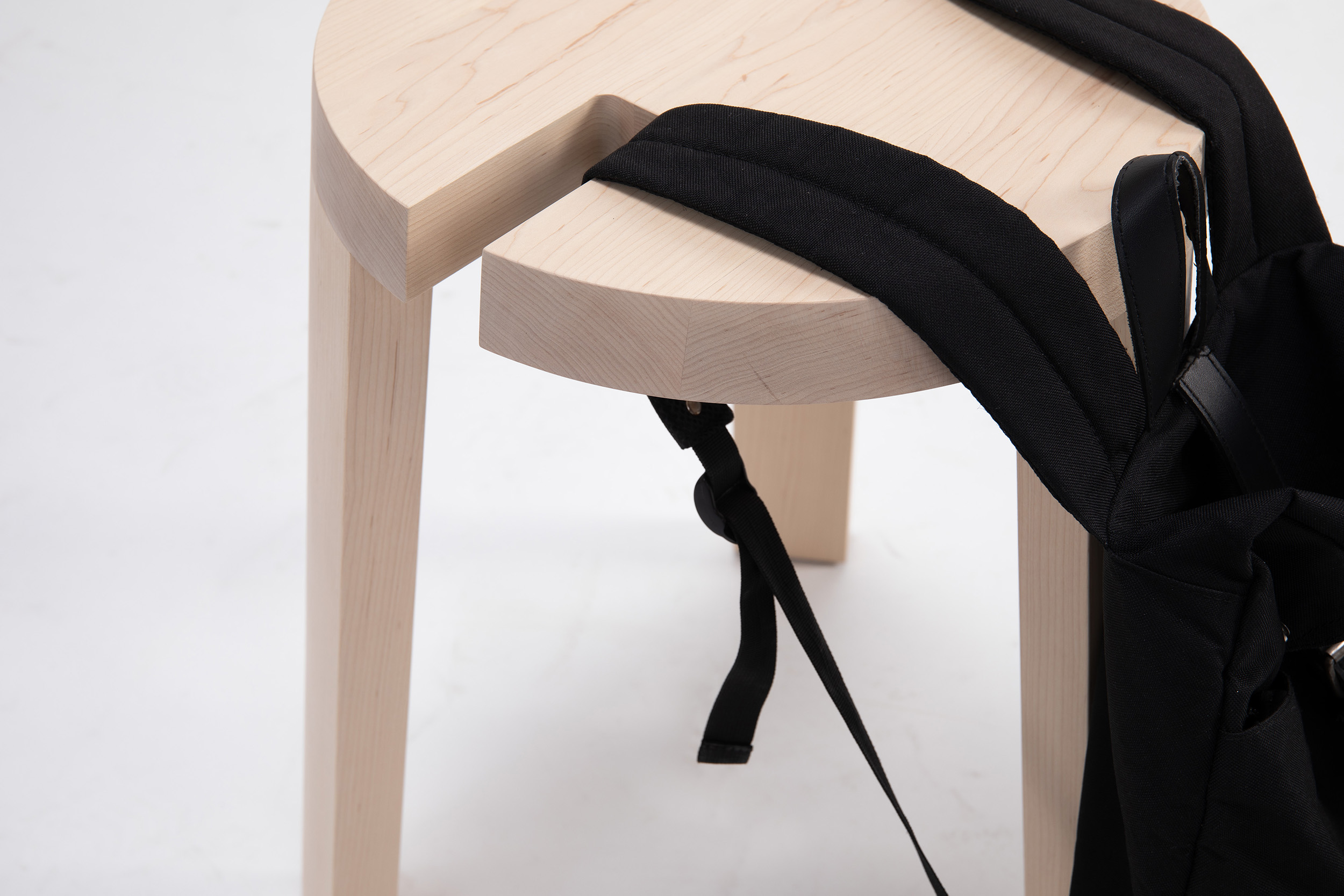
OFFICE HORSE & OFFICE DONKEY are designed to ease everyday annoyances in office life by rethinking the space around and under the desk. They keep personal items like bags and bottles close at hand and offer quick, comfortable seating for spontaneous desk-side conversations.
HELENA PHILIPP
DOUBLE ROCKER
DOUBLE ROCKER is a playful piece of furniture designed for everyday office scenarios. Two people sit facing each other, sharing not just a seat or a conversation but also movement. It encourages short, relaxing breaks and social connection, helping to reduce stress and restore focus.
MORE PROJECTS
DANA VOLAVSEK
CORSET PLANTER
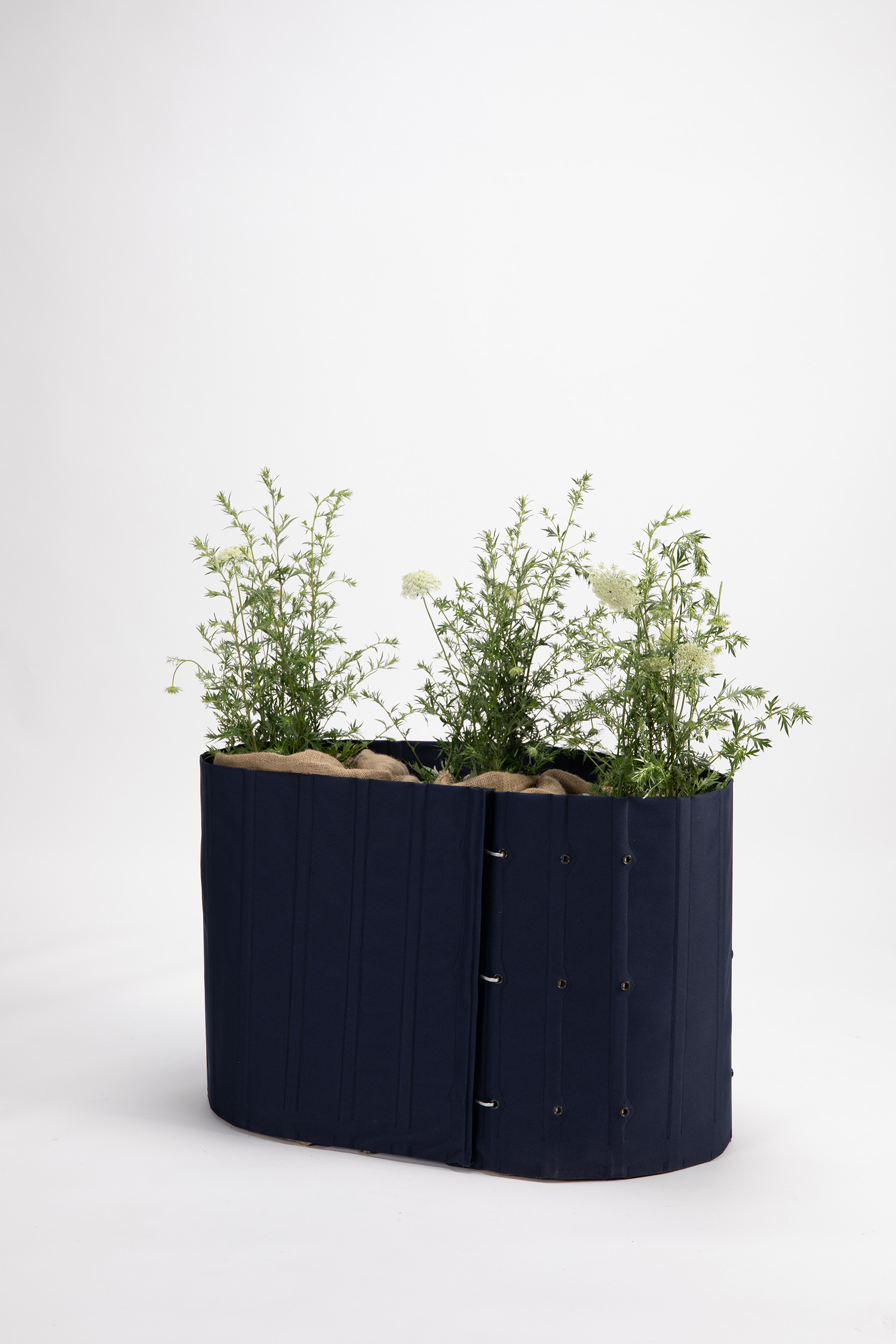
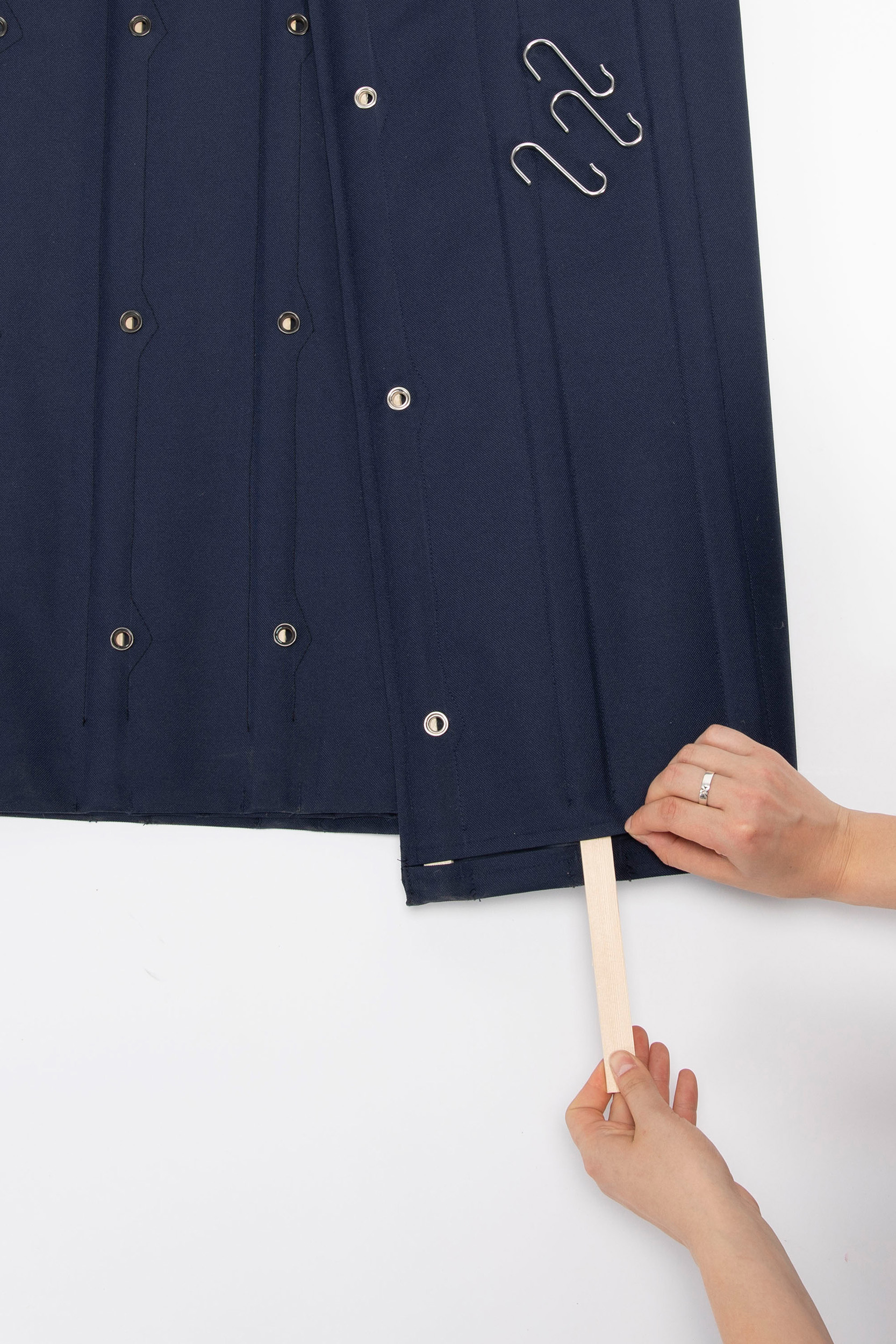
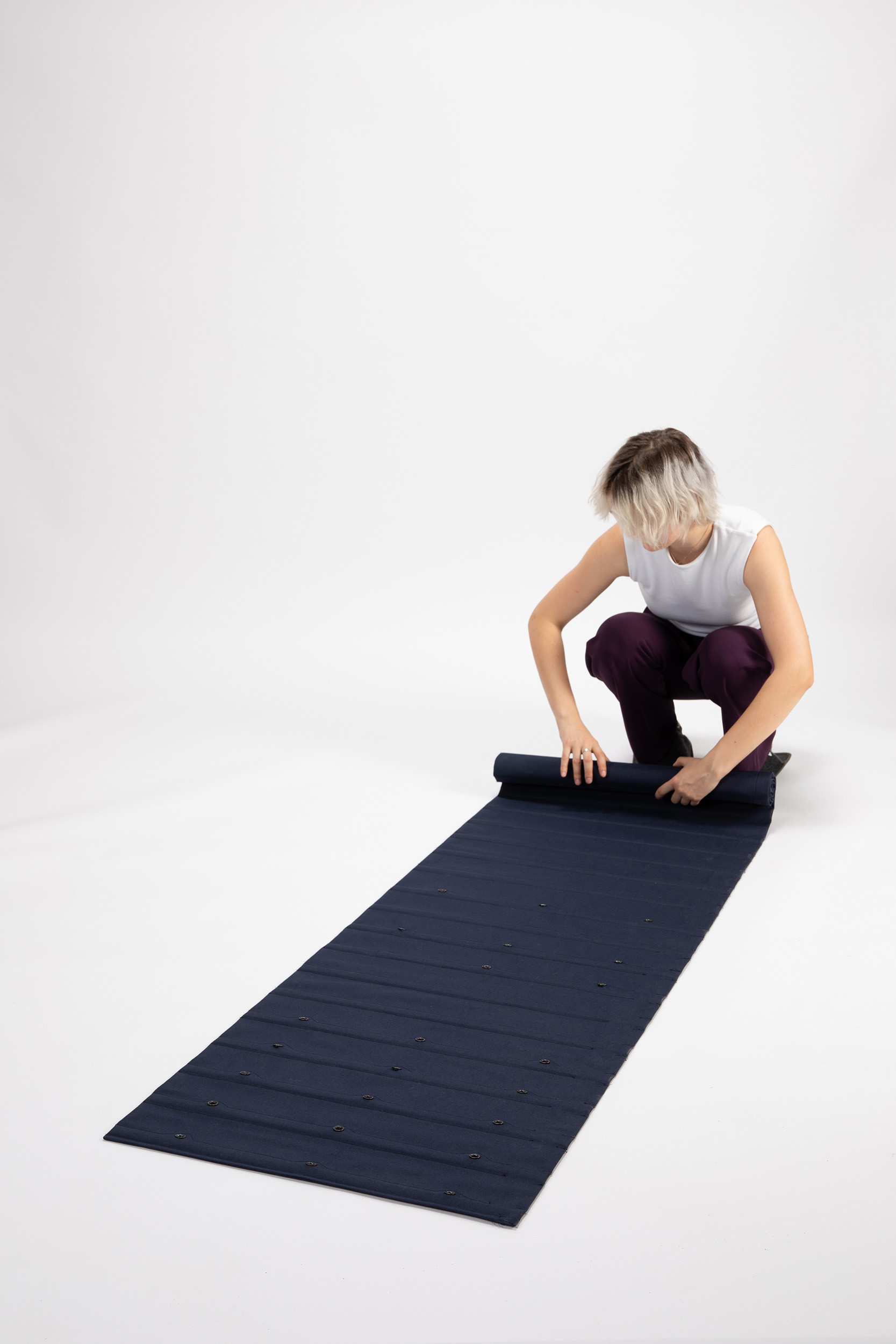
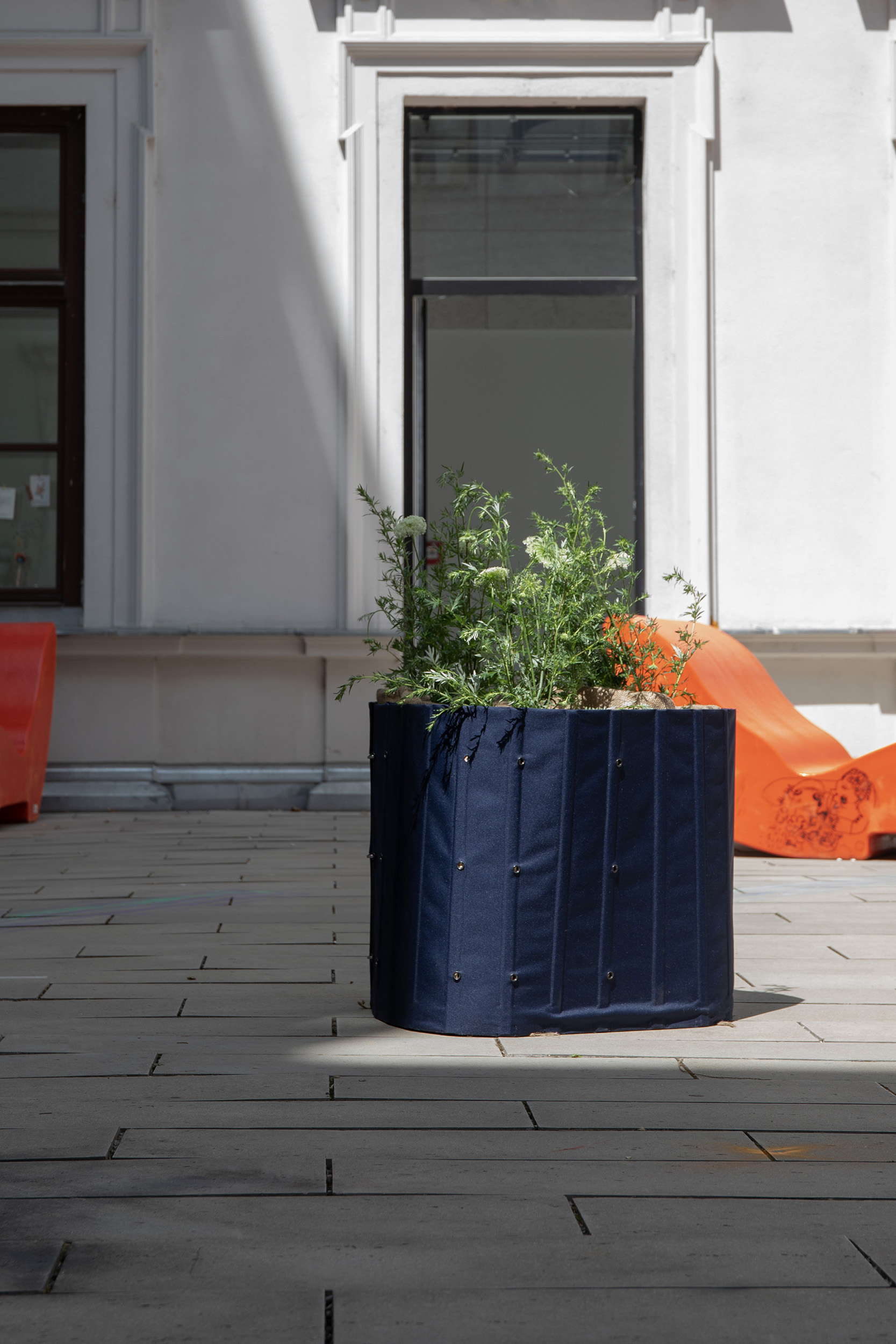
CORSET PLANTER offers flexibility and ease for short-term greenery solutions in the outdoors . The reinforced textile acts like a big corset, holding two to four soil bags together.
DANIEL LEITER
1 / 4
NFCs (NATURAL FIBER COMPOSITES)
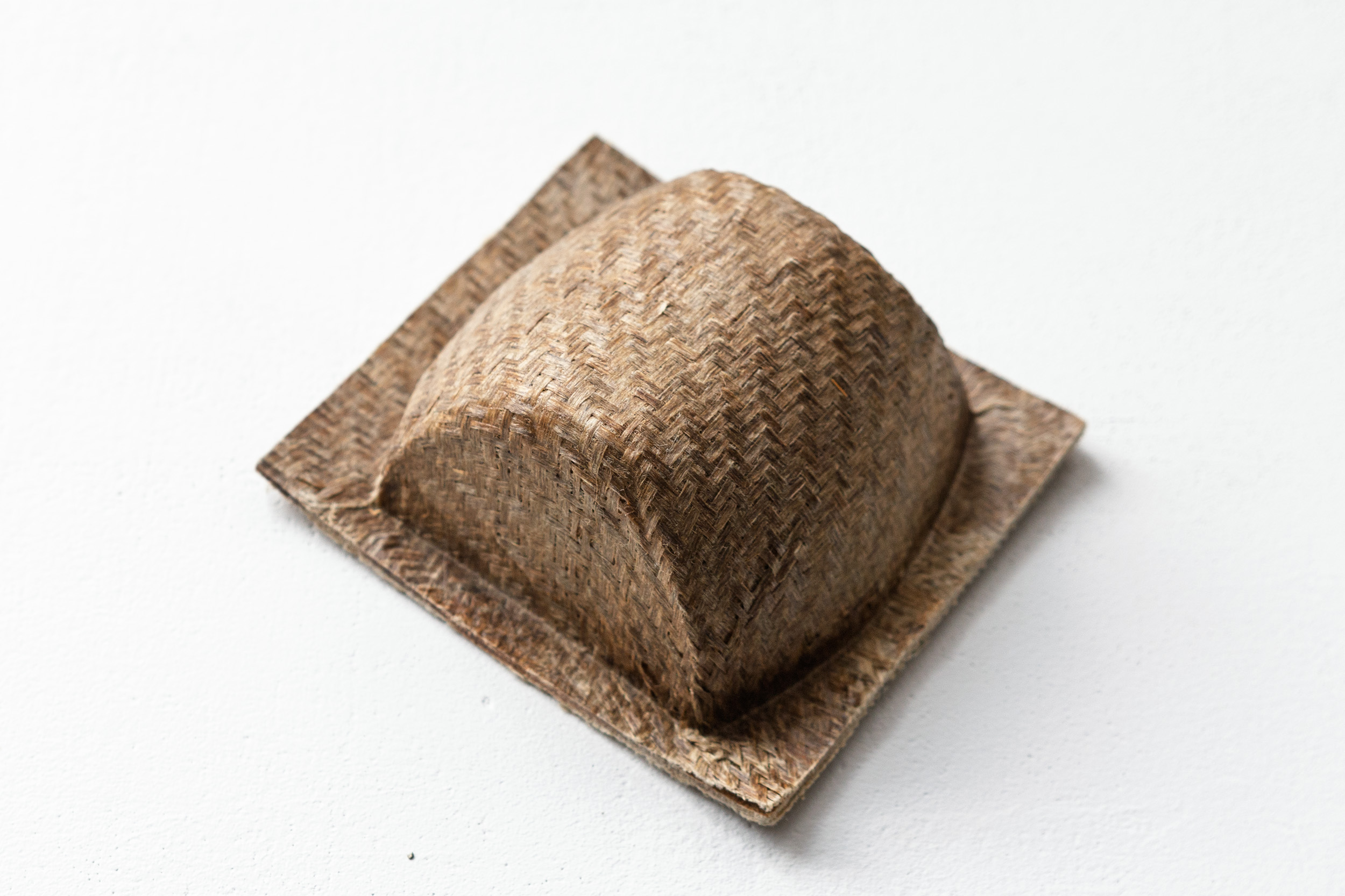
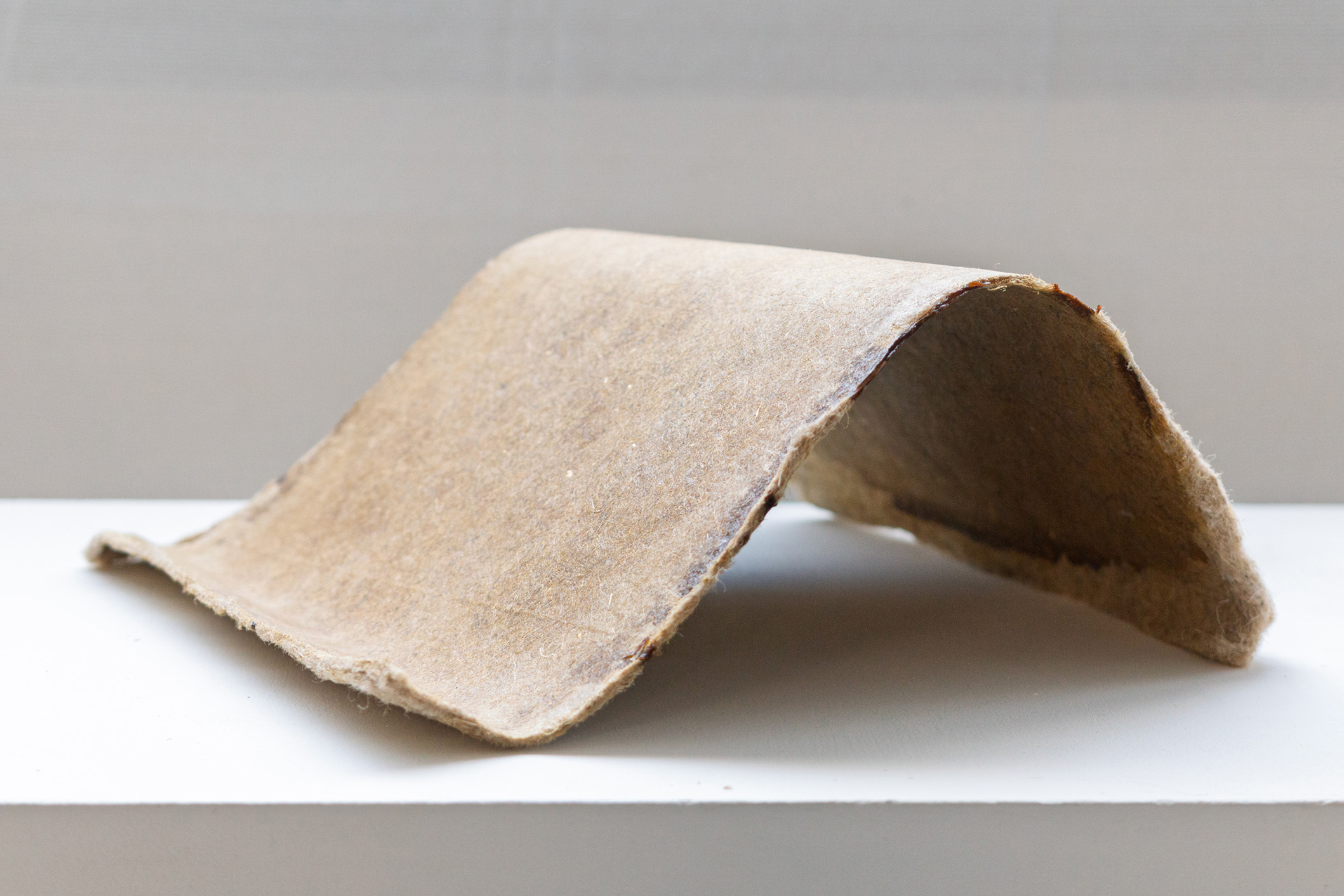
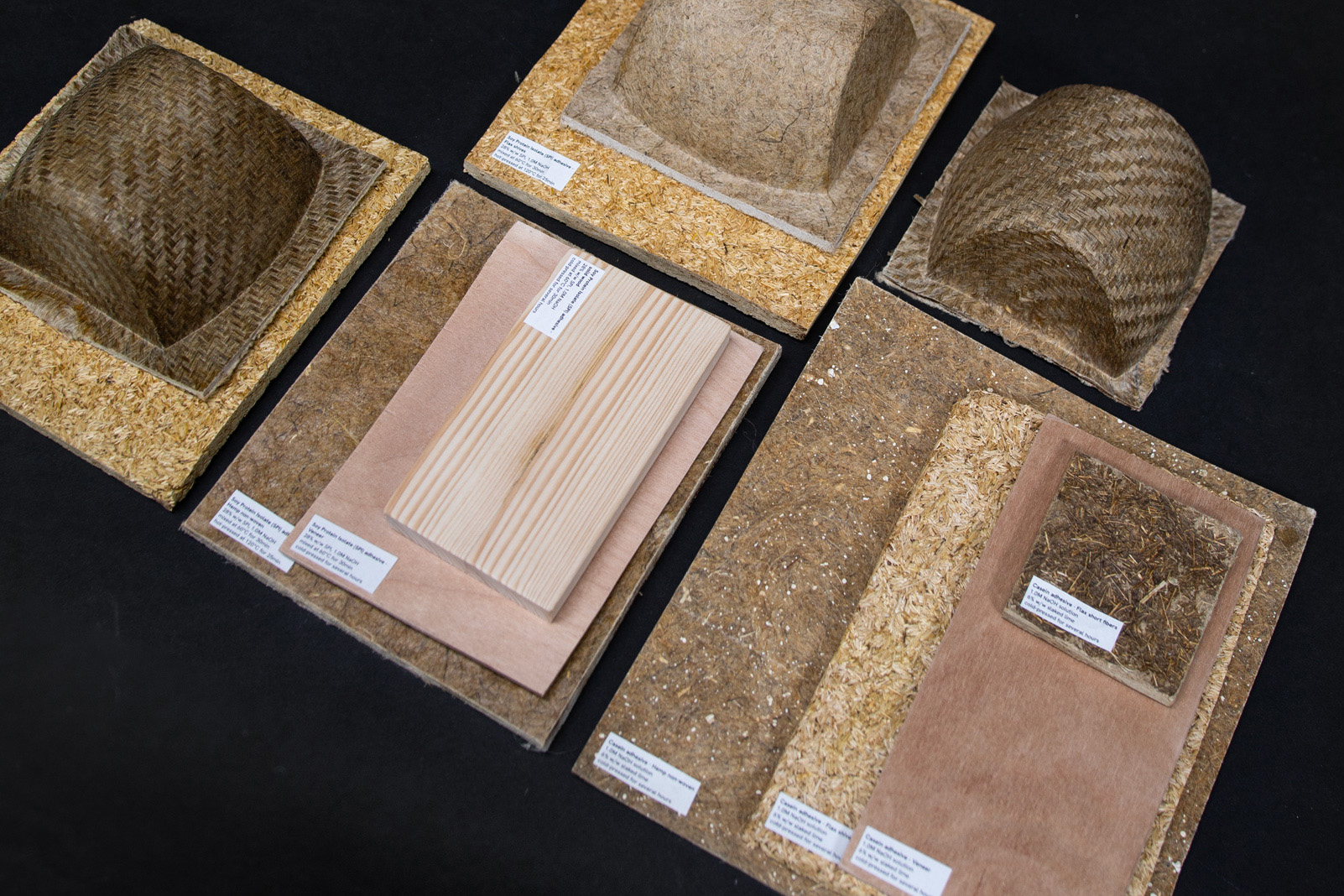
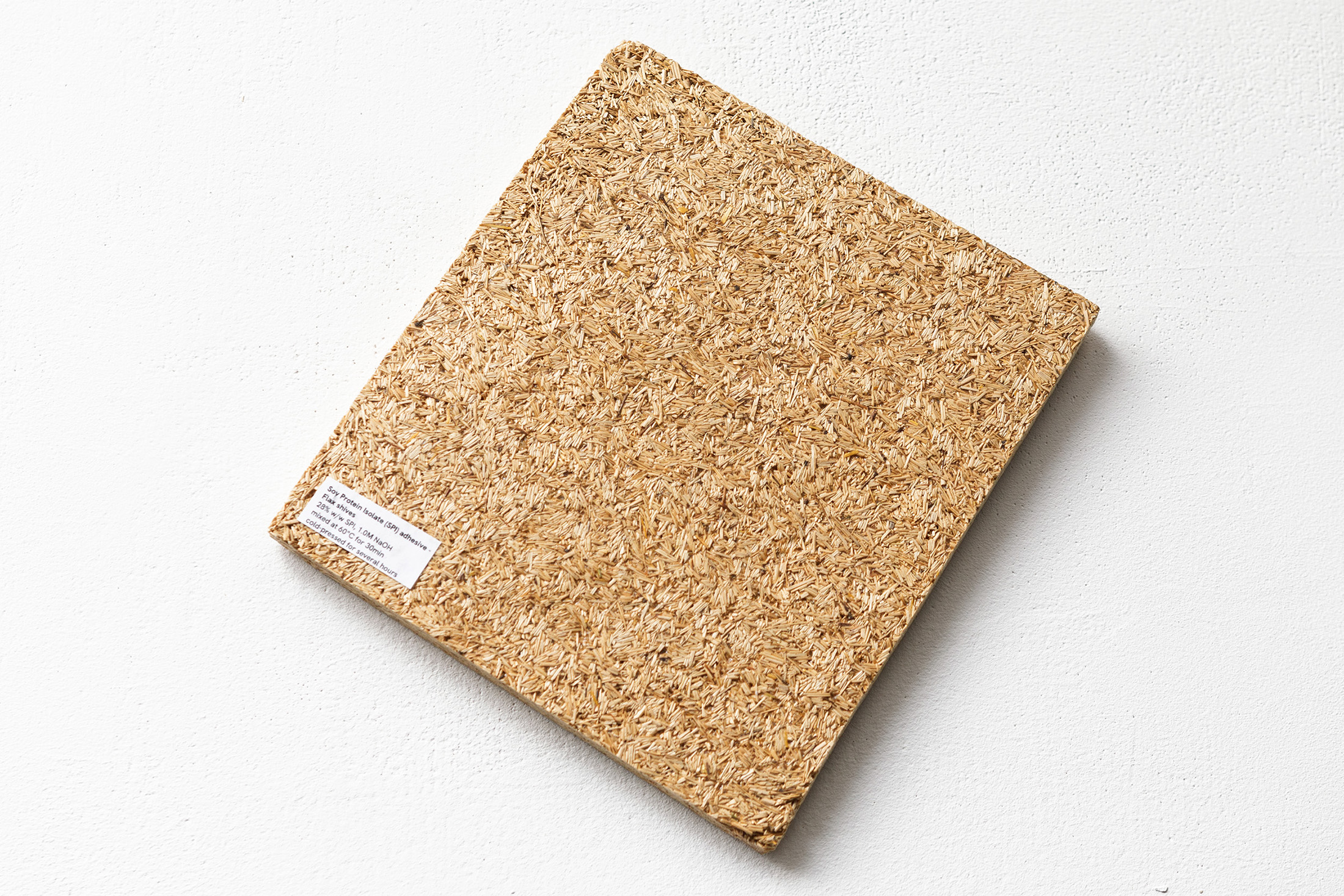
NFCs (NATURAL FIBER COMPOSITES) is an open-source design research project that aims to develop and test a non-petrochemical, non-toxic and vegan composite material that is biodegradable under natural conditions.
HANNAH GEBERT
1 / 6
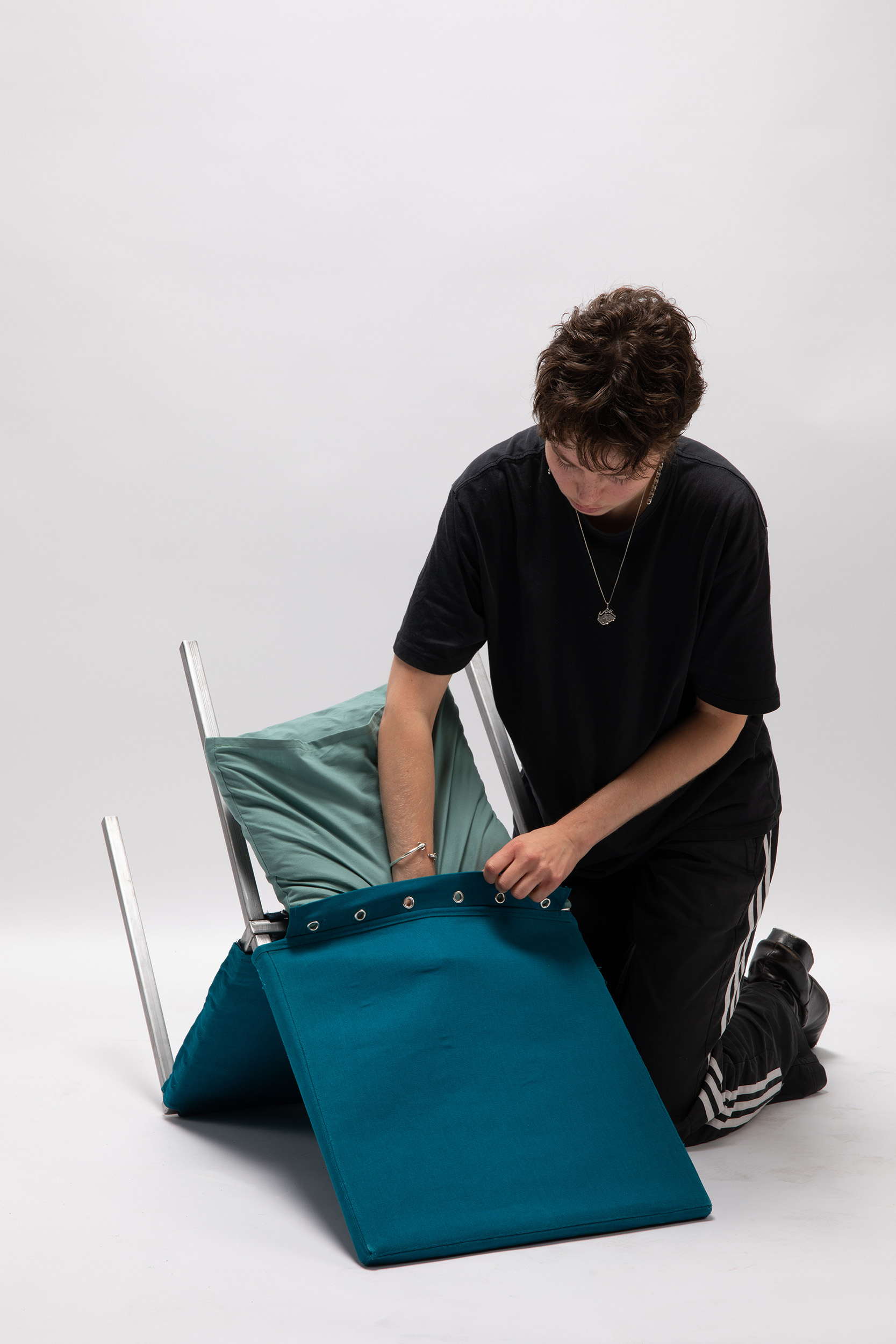
SECOND SKIN
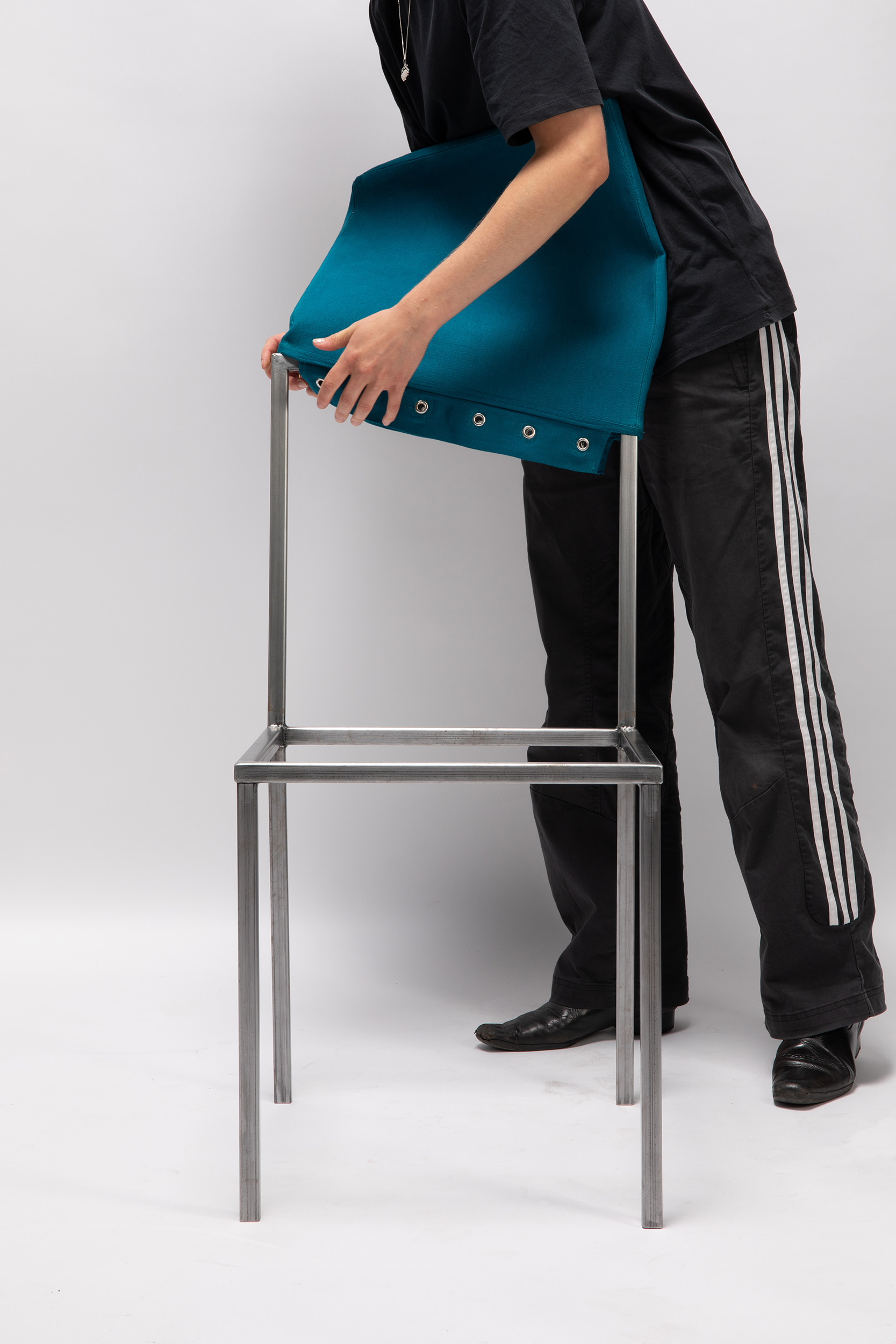
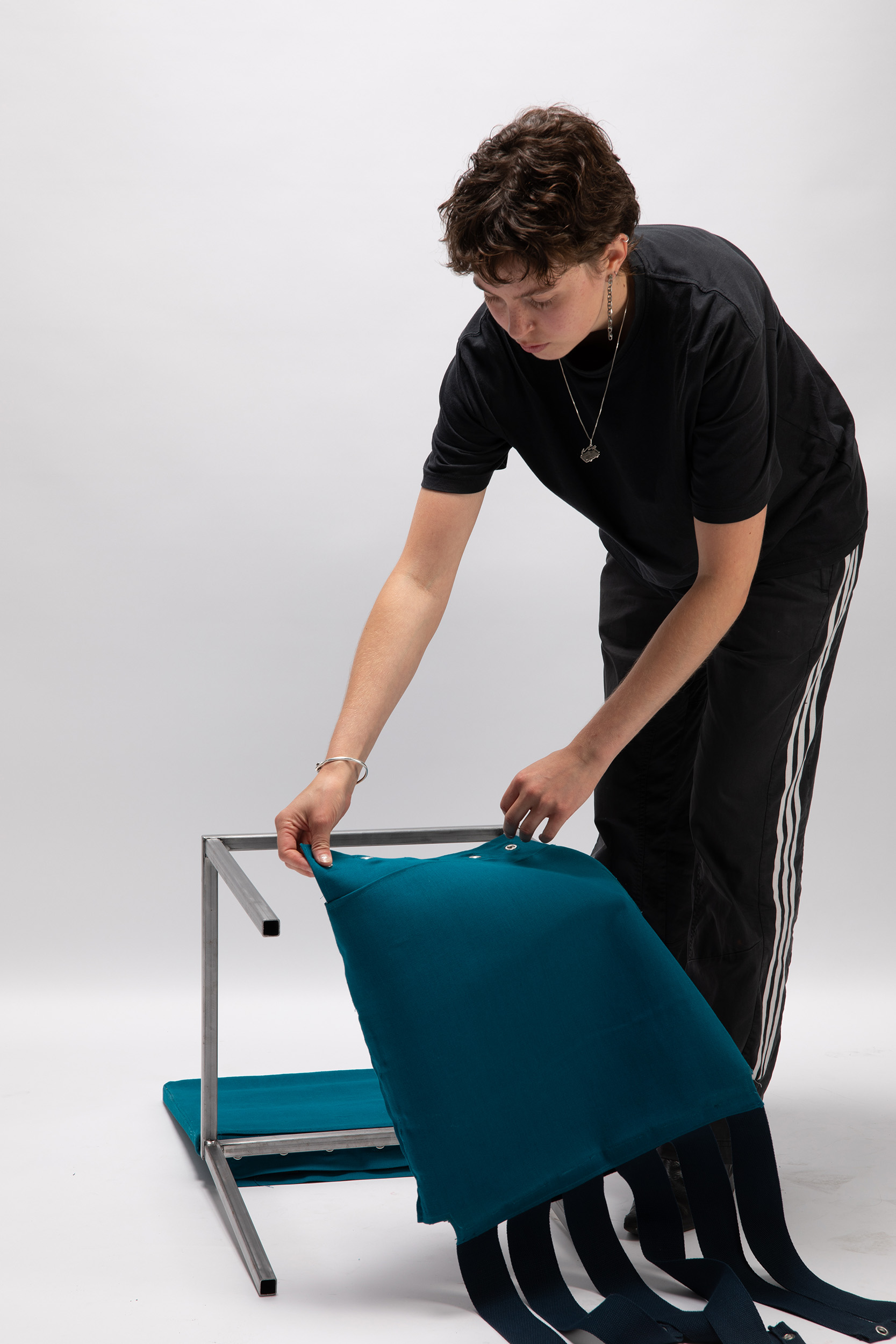
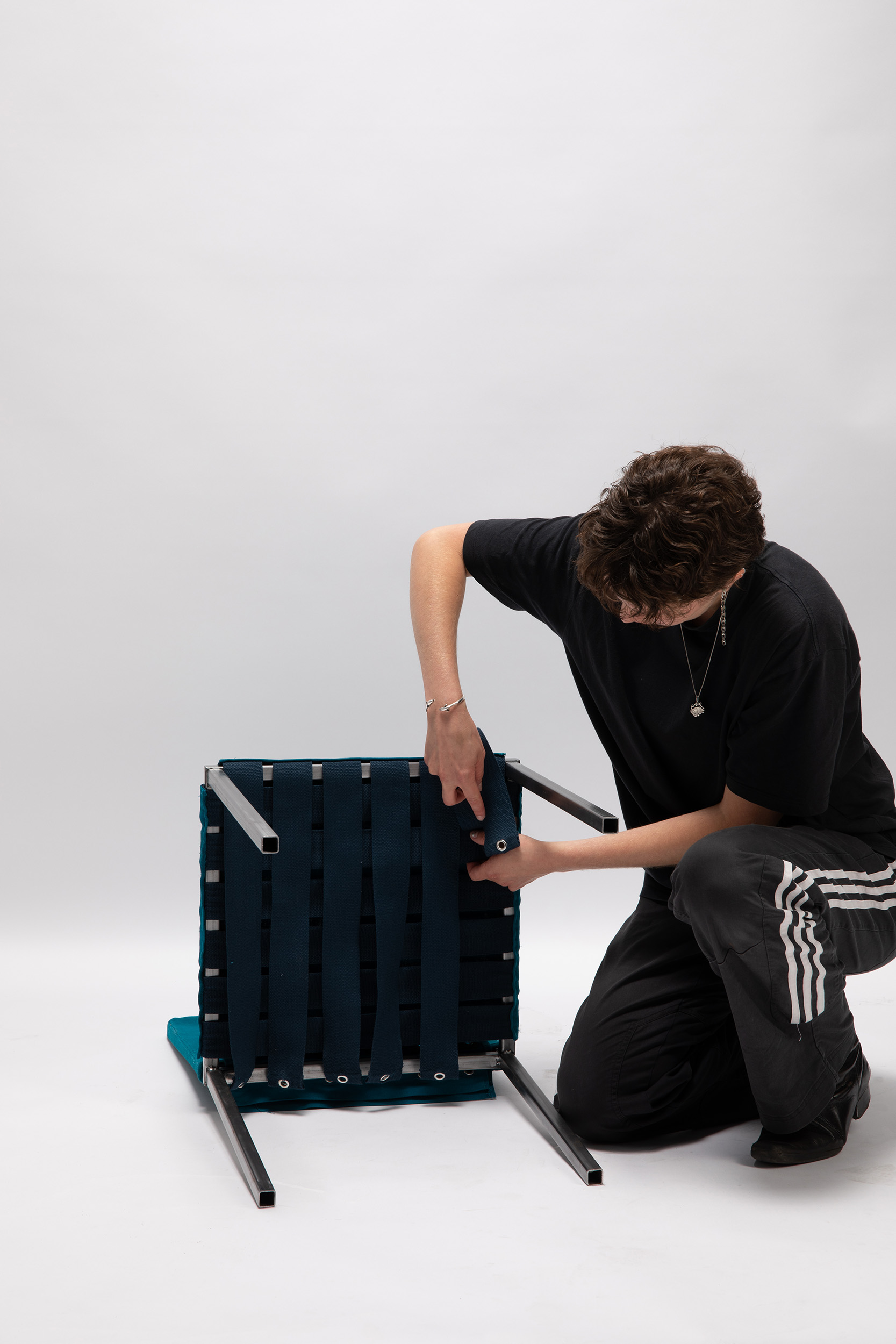
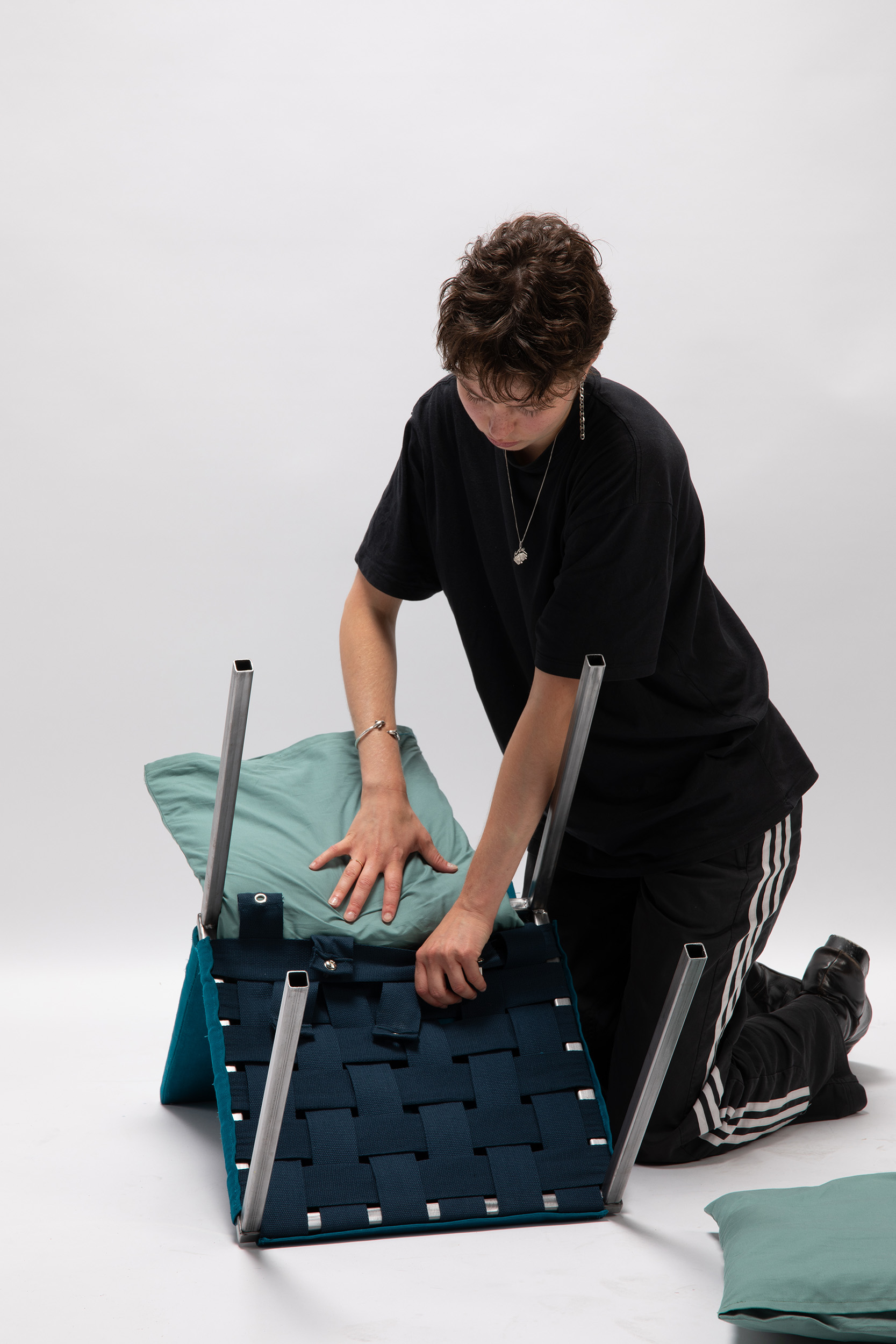
SECOND SKIN introduces a removable textile layer that personalizes shared seating and invites emotional connection, inspired by the simple act of throwing a jacket over a chair to claim it.
ROSA DOMES
1 / 4
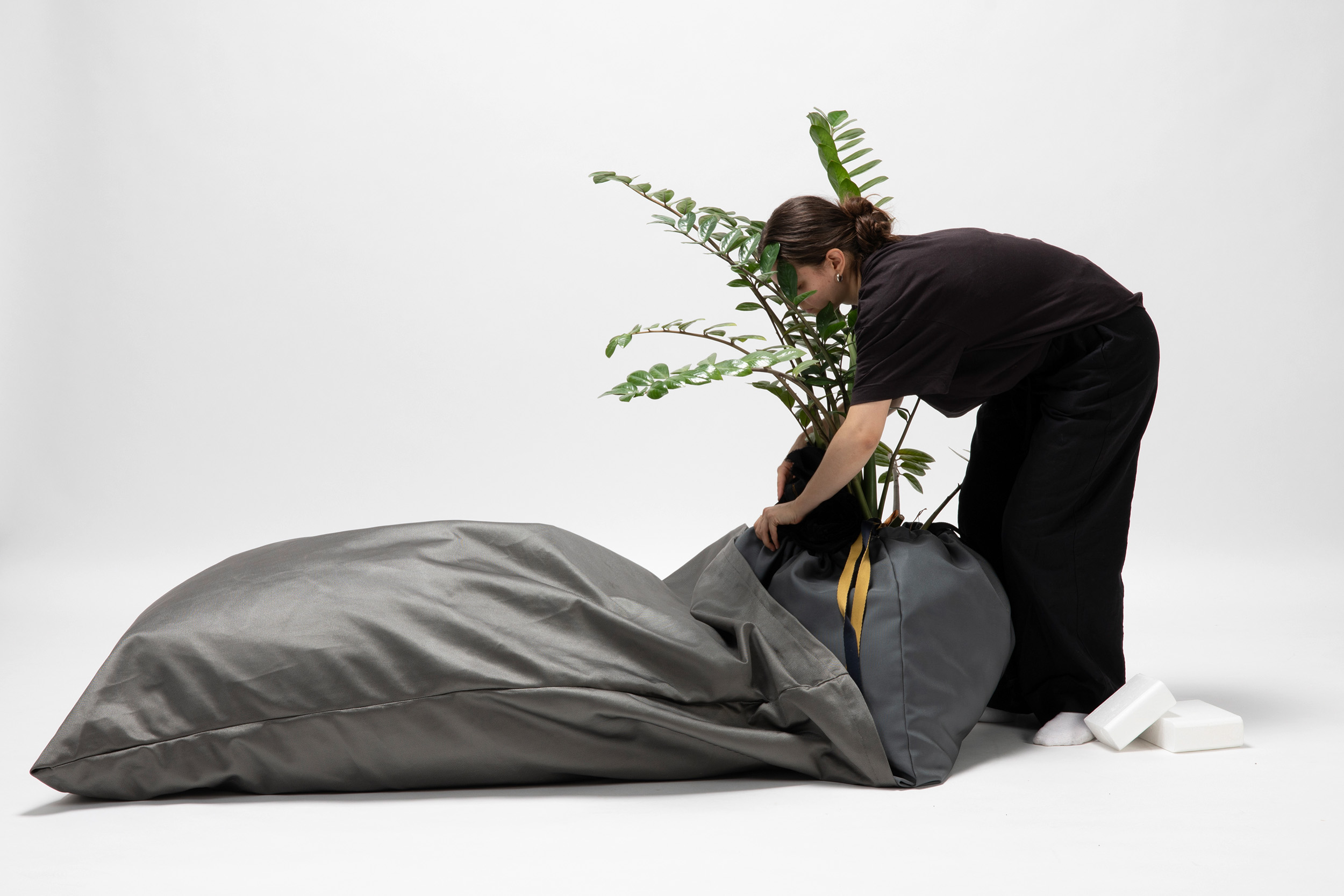
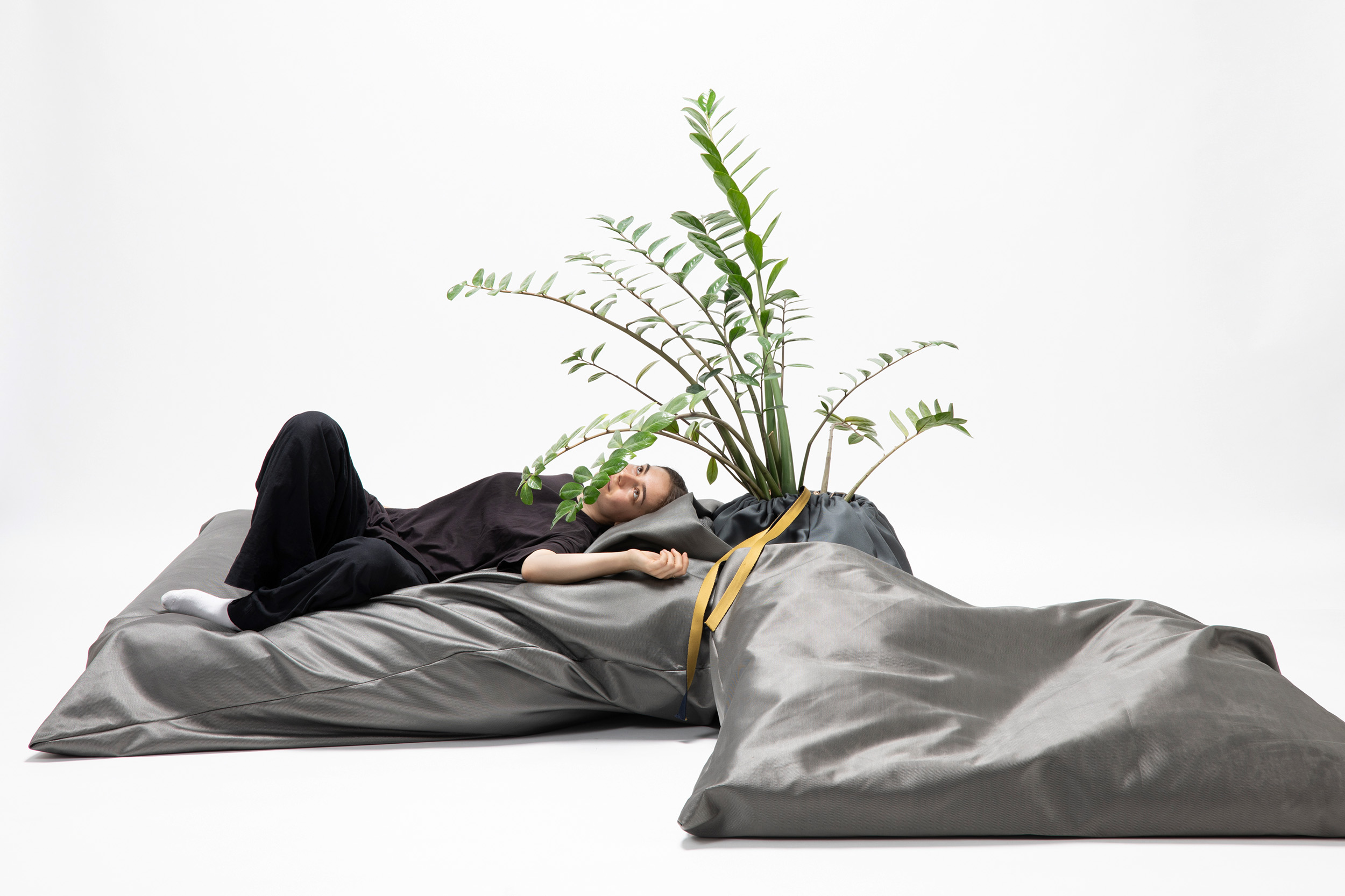
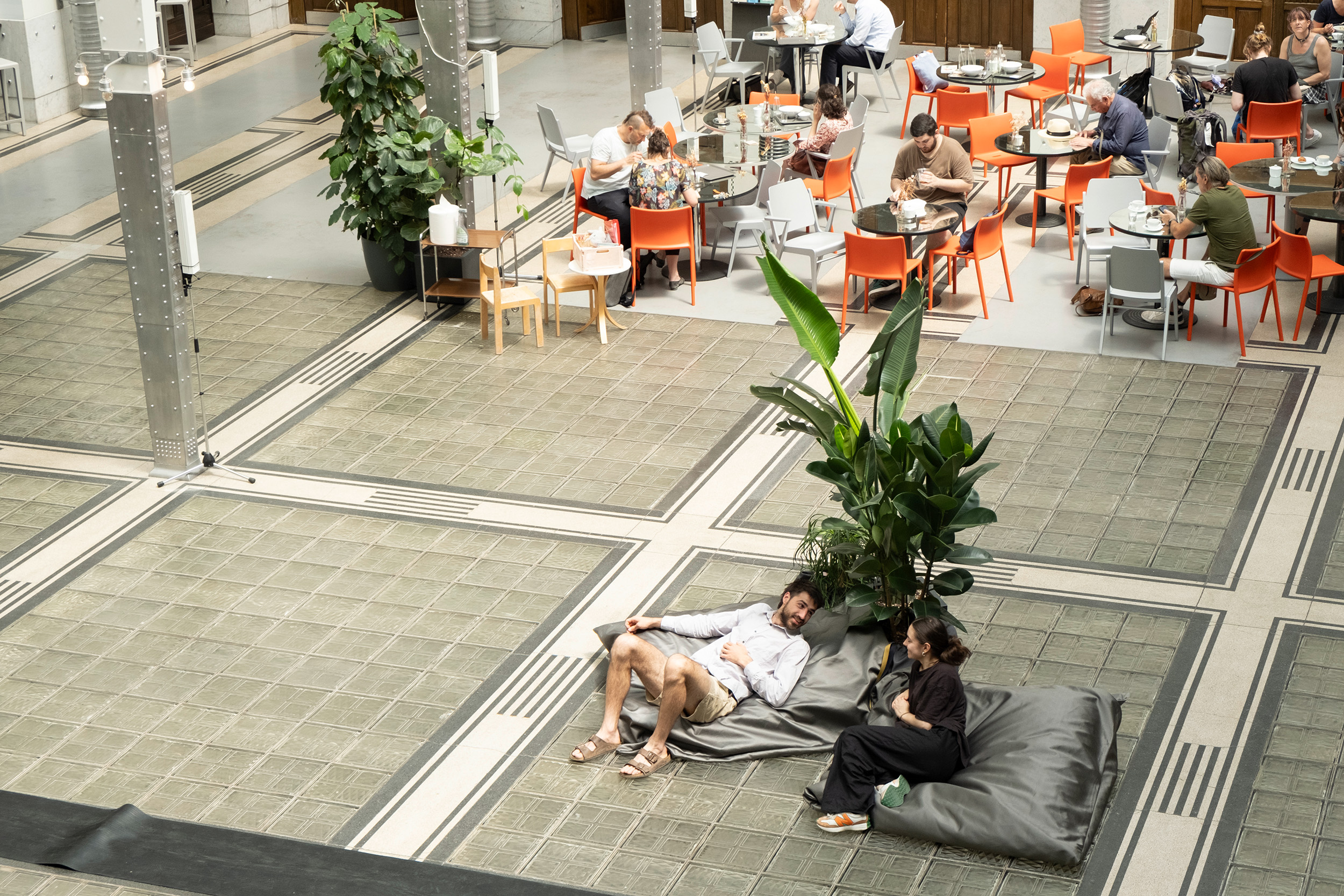
FATFOREST
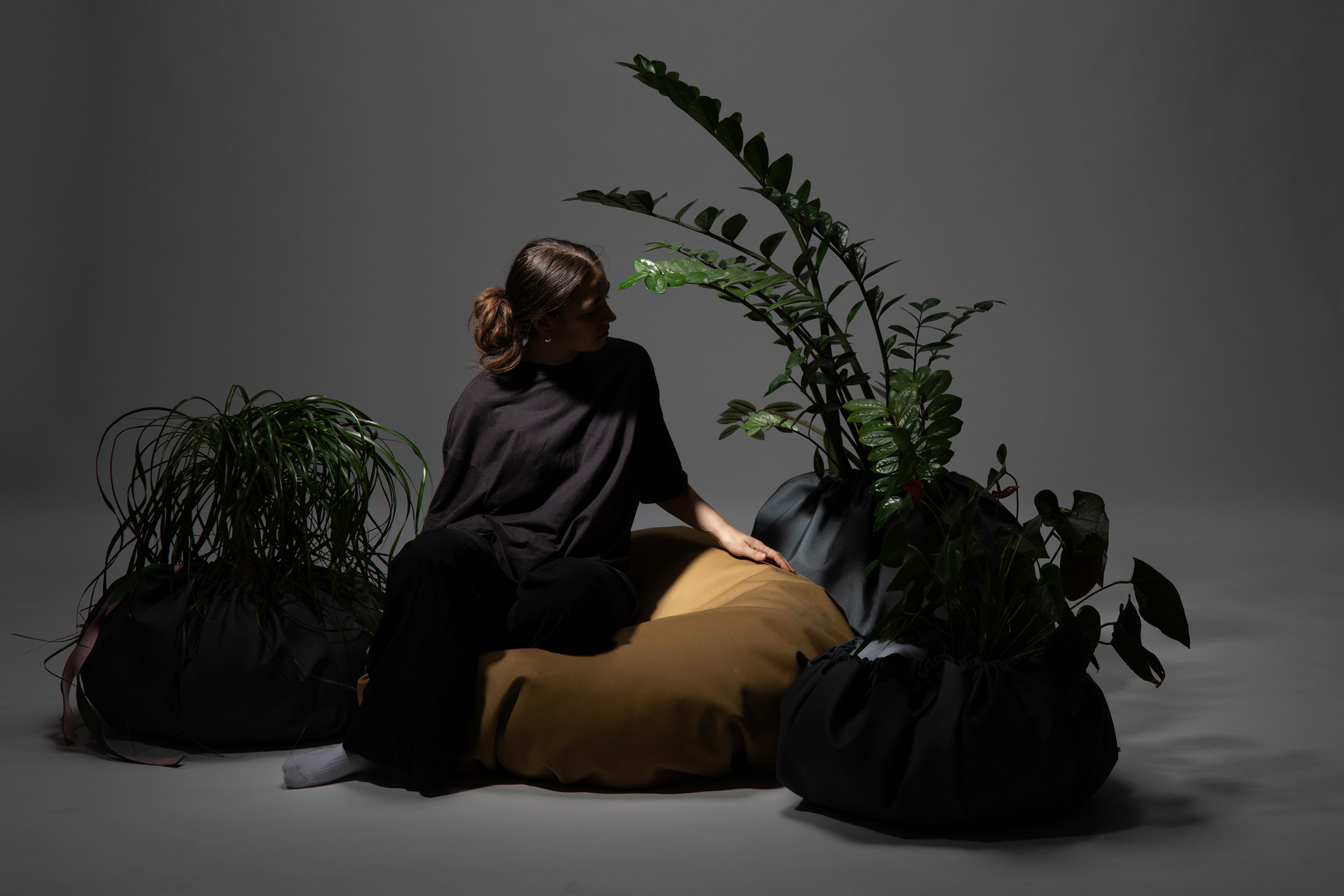
FATFOREST is an experiment in how humans and nature can co-exist — a prototype for the future of shared, hybrid environments. A living seat that invites you to rest on the root ball of a plant, supported by a soft sack out of clay pebbles — a sensory, grounding experience.
Facts
SHARING ECONOMY x CIRCULAR DESIGN
2025
The ‘Sharing Economy’ offers a path toward circularity. By keeping ownership of both products and their materials with the manufacturer while charging users for access, the economic model shifts fundamentally. Profit is no longer dependent on short-term sales but on durability, repairability, and long-term performance. At the same time, responsibility for maintenance and, ultimately, recycling remains with the manufacturer, ensuring higher material recovery and more effective circular processes.
For the sharing economy to truly function, design practice must also evolve. Today, designers are rewarded based on sales performance, reinforcing rapid consumption. This logic must be reversed: designers should benefit when their designs last, adapt, and remain relevant. By aligning economic incentives with longevity, design shifts from momentary impact to resilience. It is time to design for continuous value – durable, adaptable, and circular.
Special Thanks to Nornorm
